

By her count, Maya has applied to 217 jobs since graduation. She refreshes her inbox between shifts at a part-time retail gig, watches “We went in a different direction” emails trickle in, and mostly hears nothing at all. Her story is not rare, it is what people mean when they say Gen Z job hunting is out of control right now.
There are too many applicants, fewer true entry-level roles, hiring timelines that stretch for months, and a lot of ghosting. Recent grad unemployment is hovering around 9 to 10 percent, youth unemployment is above 10 percent, and entry-level postings are down by roughly a third. Only about one in three 2025 graduates has a full-time job in their field, even after doing “all the right things.”
AI, post-pandemic overhiring, and inflation have all pushed companies to slow or freeze junior hiring, which makes the market feel broken for anyone just starting out. In this post, we will unpack why the system looks like this from the inside, how it hits Gen Z’s mental health and long-term careers, and what you can realistically do to stand out, adapt your strategy, and still build a future you feel good about.
What Gen Z Job Hunting Really Looks Like In 2025

If you feel like job hunting in 2025 is a full-time job that does not pay, you are not imagining it. The math behind the Gen Z job search is ugly: fewer entry-level roles, more graduates, and companies that are moving at a crawl. Surveys show only about 30 percent of 2025 grads have a full-time job in their field, and youth unemployment for recent grads is close to 10 percent, which lines up with what outlets like CNBC have reported about shrinking entry-level opportunities.
This is what the grind really looks like when you zoom in.
Too Many Grads, Not Enough Entry Level Jobs
There are more people with degrees than there are true entry-level jobs that use those degrees. It feels broken because it kind of is.
A few hard numbers set the scene:
- Surveys show about 76 percent of employers hired the same number or fewer entry-level workers in 2025 compared with 2024.
- Global research on the early-career market found entry-level postings have dropped about 29 percent since January 2024, which matches what many grads are seeing in real time.
- Overall job openings are down by roughly a third since late 2022, especially in roles that AI can partially automate.
So you have:
- More grads finishing school in 2025.
- Almost one-third of entry-level roles gone.
- Most companies not expanding junior hiring.
That is how you get those stories of hundreds or even thousands of applications for one role. One employer posts a “Marketing Coordinator, New Grad” position, leaves it up for 48 hours, and suddenly they have 1,200 applicants. An ATS filters half of them out. A recruiter skims a tiny slice. Most people never even get a human eye on their resume.
For many new grads, the pattern looks like this:
- Apply to 100–300 jobs over a few months.
- Get a handful of interviews.
- Maybe land an offer, but it is often:
- Part-time,
- Contract-based, or
- In a role that has nothing to do with their major.
That is why you see a lot of people with business, marketing, or tech degrees working in:
- Retail or hospitality,
- Gig work like delivery or rideshare,
- Admin or front-desk jobs that do not require a degree at all.
From the outside, it can look like Gen Z “does not want to work in their field.” In reality, many are taking what they can get because the actual number of starter roles has dropped sharply.

A Frozen Labor Market That Blocks First Jobs
Economists sometimes say the labor market for young workers is “frozen.” In plain English, that means jobs are not moving the way they normally do.
Here is the short story:
- Companies overhired in 2021 and 2022 when everything reopened after the pandemic and money was cheap.
- Many of those workers are staying put now, because they are nervous about switching jobs in a shaky economy.
- When layoffs happen, companies often do not backfill those roles. They spread the work around or use tools like AI instead of hiring a new person.
One economist in HR tech put it this way: early-career workers usually change roles often in their 20s, and that movement is how they grow their pay and skills. Right now that step is blocked for a lot of Gen Z. The people who got hired in 2021 and 2022 are staying in their seats, and the doors behind them are not opening.
So what does a “frozen” market feel like if you are 22 and job hunting?
- You send out a ton of applications but see very few new listings each week.
- Everyone you know who has a job is hanging onto it, even if they hate it.
- Roles that used to be classic “first jobs” now say “2–3 years of experience required.”
This matters long term. Those first few jumps early in a career usually do a lot of the heavy lifting for lifetime earnings. People might:
- Start in a low-paying role,
- Jump to a better-paying job within a year,
- Switch again after learning more, and
- See their salary climb each time.
When the market is frozen, that early ladder is missing a few rungs. Gen Z is entering with:
- Fewer chances to build skills at work,
- Slower pay growth, and
- A harder time catching up later.
Economists worry that flat hiring in the early 20s can drag down earnings and promotion chances for decades, not just a year or two.

Layoffs, Hiring Freezes, And Confusing Signals
At the same time that grads are trying to get their first job, the rest of the workforce is dealing with a big wave of cuts.
From January to October 2025, U.S. employers announced around 1.1 million layoffs, the highest level since the 2020 pandemic shock, according to reports covered by CNBC’s layoff analysis and other outlets. October alone was one of the worst months in over 20 years for that time of year.
You see layoffs in:
- Tech,
- Government and education,
- Warehousing and transportation,
- Retail and food companies.
So new grads are hearing two messages at once:
- “The economy is fine, unemployment is still low.”
- “We just cut thousands of people and we are pausing hiring.”
That mix is confusing and stressful. It looks like this on the ground:
- Companies quietly freeze hiring or drag out interview processes for months.
- Seasonal jobs bring in fewer people and keep even fewer afterward.
- Teams lose coworkers, then wait to see if those roles will ever be refilled.
AI is a big part of why companies feel they can “wait it out.” Most employers are not laying off people just because a chatbot exists. Instead, they are:
- Using AI tools to cover some tasks while they delay bringing in new hires.
- Testing how much work current staff plus AI can handle.
- Rethinking entire teams before opening fresh roles.
That pause keeps openings low, especially at the junior end where tasks are often the easiest to automate or reassign.
Put it all together and you get a job market where:
- Entry-level roles are down by nearly a third,
- Layoffs are the highest since the pandemic, and
- Employers are cautious, slow, and lean heavily on tech instead of new people.
For Gen Z, that is what “job hunting out of control” really means in 2025: not a lack of effort, but a system that is short on entry points and long on rejection emails.
Hidden Reasons Gen Z Job Hunting Feels So Out Of Control
On the surface, the job market looks like a simple numbers game: more grads, fewer roles, slower hiring. Underneath that, there are quieter forces that make everything feel chaotic, unfair, and out of your hands.

AI, shifting expectations around college, social media pressure, and constant uncertainty all stack together. When you understand these hidden reasons, the problem feels less like “you” and more like a system that was not built for the world you are graduating into.
AI Is Changing Jobs Faster Than Schools Can Keep Up

Most people picture AI taking a single person’s job overnight, like a robot rolling in and replacing a whole team. That is not what is happening in most offices.
What you see instead looks like this:
- A manager loses one person to a layoff, then uses AI tools so the rest of the team can cover the extra work.
- A small business has more customers but still waits to hire, because AI and software can stretch the current staff a bit longer.
- Leaders test AI for months and delay opening new entry-level roles until they figure out what they really need.
Researchers at Stanford found that early-career workers in the most AI-exposed jobs saw a sharp drop in employment compared with older coworkers, even when companies themselves were stable. A summary of that work in Fortune’s coverage of AI and entry-level jobs explains that young workers are the “canaries in the coal mine” for how AI hits the labor market.
So AI is not usually firing people on the spot. It is:
- Making current employees more productive.
- Giving companies an excuse to pause hiring.
- Cutting into the number of true starter roles.
There is a twist though. In pockets of tech, AI builders are hiring. Startups and small teams that design AI products are bringing in new people, but they are looking for very specific skills: data, coding, product, or people who can connect AI tools to a clear business problem. That is a very narrow slice of the grad population.
The good news is that you do not have to be an engineer to benefit from AI. The job market is shifting to what some reports call skill-first hiring, where knowing how to use AI well can matter as much as your major. Studies show over half of Gen Z workers already use AI tools at work, often more than older coworkers, which lines up with what employers say they want.
So if you want to stand out in a crowded pool, focus on:
- AI literacy: Show that you can use tools like ChatGPT or other AI apps to write drafts, organize data, or speed up research.
- Process thinking: Explain how you use AI to handle multiple tasks at once without dropping quality.
- Clear communication: Talk about AI as a tool that helps you get more done, not as a magic answer.
Hiring managers in surveys keep pointing to one powerful skill for long-term careers: the ability to manage AI, not just worry about it. That means you can:
- Choose the right tool,
- Give it smart prompts,
- Check and improve the results, and
- Fit it into how a team already works.
In a market where AI is one reason hiring is frozen, becoming the person who knows how to work with it is a practical way to tilt the odds back in your favor.
College Degrees Still Matter, But They Are Not A Golden Ticket

For a lot of Gen Z, college was never really a choice. Parents, teachers, and counselors framed it as the only “safe” path. The message was clear: get a degree, and you will have a stable office job.
Reality in 2025 looks different.
In one story that mirrors what many grads are living through, a student finished a marketing and business degree, spent months networking and applying, and ended up with a single offer: promoting power tools inside a big-box store. It paid decently by the hour, but the work was retail, not marketing strategy. Another grad landed a hotel job after college, only to get laid off a few months later when the employer cut staff.
Those are not outliers. Recent data shows:
- Youth unemployment for college-age workers is around 10 percent, the highest in years.
- Only about one in three new grads is working in a job that matches their major.
- Many others are in roles that do not require a degree at all.
A CNBC report on struggling college graduates notes that AI and hiring freezes have squeezed entry-level professional roles, which pushes new grads into service jobs, gig work, or waiting at home.
Economists at the Federal Reserve have also flagged that the gap between college grads and high school grads in their twenties is shrinking, at least when it comes to unemployment. Research from the Cleveland and St. Louis Fed, including pieces like this analysis of underemployed college graduates, shows more degree holders working in jobs that never asked for a diploma.
That hurts, especially when you were told the degree would guarantee something better.
At the same time, most grads in surveys say they do not regret college. Even those working outside their field mention benefits like:
- Better time management from handling classes, projects, and part-time work.
- More independence, living away from parents and running their own lives.
- Space to figure out what they actually like, not just what looked good on a brochure.
One business grad, for example, pictured themselves in finance, could not find a role in their salary range, and ended up in their family’s electrical business. A year later they chose the trade as a full-time path, earning solid money and using their business skills to plan for running a company one day.
So where does that leave you?
- A degree still opens doors, especially in fields like healthcare, engineering, or software.
- It does not guarantee your first job, or even that your first job will use your major.
- You may need to pivot, stack skills on top of your degree, or consider paths like trades, certificates, or startups.
In 2025, the degree is a starting point, not a golden ticket. The extra layer that matters is how you build skills, projects, and experiences around that piece of paper.
Social Media Makes Everyone Else Look Like They Are Winning

If your feed is full of people announcing “I just accepted my dream offer” or “I hit six figures at 24,” it is easy to feel like the only person still stuck in limbo.
Platforms like TikTok, Instagram, and LinkedIn are built to highlight:
- Wins, not the hundreds of silent rejections.
- Promotions, not the months of unemployment that came before.
- Aesthetic “day in the life at my cool job” clips, not the nights spent spiraling over money.
In the grad stories that mirror 2025, you hear lines like “half my class walked the stage with no job lined up” and “most of my friends are still searching, or they already got laid off.” But that does not trend on social media. You rarely see posts that say, “I am on month 7 of the job hunt and I am scared.”
New research on how Gen Z uses social media for careers shows that a lot of young people get job tips and networking advice from influencers and creators online. A report from JFF on how Gen Z gets career guidance on social media points out that these platforms are a real source of information, not just entertainment.
The problem is what you do not see:
- The people who quietly move back home because savings ran out.
- The ones who take a job outside their field and feel embarrassed to talk about it.
- Friends who are also struggling, but only post the highlight moments.
On top of that, there are viral takes that paint Gen Z as:
- “Lazy” or “entitled.”
- “Bad at communication.”
- “Too sensitive” or “unwilling to grind.”
Those narratives make some employers more skeptical and make job seekers even more anxious. If you are already worried about interviews, seeing comments about your whole generation being “hard to work with” does not exactly help.
Here is a more accurate picture of what is going on:
- Youth unemployment is around 10.5 to 10.8 percent, higher than older age groups.
- Entry-level postings have dropped by about a third in just a couple of years.
- Many grads, not just you, are underemployed or in temporary roles.
On social, it looks like everyone else is winning. In real life, a lot of people are quietly in the same boat.
The Mental Health Cost Of Constant Rejection And Uncertainty

Sending out applications might not be physically hard work, but emotionally it can feel like running a marathon in place. You keep moving and the scenery does not change.
Months of:
- “We went with another candidate.”
- Total silence after multi-round interviews.
- Offers that barely cover rent or do not include benefits.
All of that eats away at your confidence.
Many Gen Z workers say they value mental health support and work-life balance so much that they would leave a job to protect it. Research on Gen Z in the workplace, like The Interview Guys’ report on Gen Z expectations, shows this generation cares less about staying at a company for decades and more about whether work supports a healthy life.
The hard part is feeling burnt out before your career even starts.
It shows up as:
- Waking up already exhausted from another day of searching.
- Feeling guilty for taking a day off from applications, even on weekends.
- Comparing yourself to friends with jobs and assuming you are the problem.
In the stories from recent grads, you hear people say things like “I have to push myself to wake up and try again every day” or “none of my friends are really thriving, so it feels like we cannot help each other.” That shared stuck feeling is heavy. When no one in the group chat has good news, it is easy to slide into hopelessness.
My own experience looked a lot like that at one point. I kept a spreadsheet of every application, watched it cross 150, then 200, and felt my stomach drop each time I added another row. Interviews blurred together. I started to dread opening my inbox, because it felt like inviting rejection into my day. It was not laziness or poor work ethic. It was the slow grind of a system that keeps saying “not yet” without telling you what to fix.
Experts on workplace mental health point out that Gen Z is not fragile. They are honest about what constant stress and uncertainty do to a person. Articles like this breakdown of Gen Z mental health at work show that young workers still care about performance and growth, but they are not willing to sacrifice their basic well-being for it.
If that is you, a few truths matter:
- Feeling drained by job hunting in 2025 is a normal response to a rough market.
- Your worth is not tied to the speed of your first offer.
- Protecting your mental health while you search is not a luxury. It is how you stay in the game long enough to catch a real opportunity.
You are not alone, even if the algorithm makes it look that way. The market is out of control, not your effort.
My Personal Experience Job Hunting As Gen Z

When people talk about “Gen Z struggling to find jobs,” it can sound abstract. For me, it has looked like staring at a screen at 1 a.m., wondering how I can send out one more application without losing my mind.
I went through the same cycle you see in all the reports. Hundreds of applications, almost no replies, friends laid off from their first roles, and classmates drifting into jobs that had nothing to do with their majors. The numbers from surveys about only 30 percent of grads landing full-time roles in their field, and employers freezing or shrinking entry-level hiring, fit my reality a little too well.
Here is what I actually tried, what flopped, and what slowly started to work.
What I Tried, What Failed, And What Finally Helped

At first, I treated the job search like a numbers game. The more I applied, the better my odds, right? That strategy lasted until my energy and confidence tanked.
Here is how it unfolded and what I’d do differently if I were starting today.
Phase 1: Mass Applying With One Resume
My original plan was simple and wrong:
- One “good” resume
- One generic cover letter
- Apply to everything that looked even close
I blasted out applications to roles in marketing, operations, customer success, anything remotely related to my degree. I hit 100 applications, then 150, then 200. My inbox stayed almost empty.
Looking back, I know why this flopped:
- My resume did not match the job descriptions.
- Applicant tracking systems filtered me out before a human looked at it.
- Recruiters saw the same vague bullets everyone else used.
I later read a breakdown of job search data that said most applications never reach a human because of AI filters and keyword scans, which matched what sites like the State of Job Search 2025 report describe. I was feeding the system a resume that was not built for it.
What you can borrow from this:
- Mass applying might feel productive, but it often creates fake progress.
- If your resume is the same for 50 roles, it is probably a match for none of them.
Phase 2: Slowing Down And Tailoring Every Application
After a long run of silence, I changed the rule: fewer apps, more intention.
For each role, I started to:
- Break down the job description
I highlighted repeated keywords and phrases, especially in the “Responsibilities” and “Requirements” sections. - Mirror the language
I rewrote my bullets so they used the same terms where it was honest. If the role said “campaign analysis,” I did not keep “looked at marketing data.” I tied my project work and part-time jobs directly to those phrases. - Cut irrelevant fluff
I stopped listing random campus activities and focused on 4 to 6 bullets that lined up with what the posting asked for.
I also used AI tools to speed this up. I would paste the job description and my base resume into an AI assistant and ask things like:
- “Which skills in this job description match my experience?”
- “Rewrite these bullets to highlight data and communication.”
Resources like The AI Resume Survival Guide helped me see how tools can translate experience into the kind of language that gets through filters.
Did this fix everything? No. But my hit rate changed:
- Before: 1 or 2 interview invites per 50 to 60 applications.
- After: 1 interview for about every 10 to 15 targeted applications.
What you can try:
- Pick 5 to 10 roles a week and tailor for those.
- Let AI help with wording, but always check for accuracy and keep your voice.
- Focus your bullets on impact, not tasks.
Phase 3: Actually Talking To Humans (Alumni And Beyond)

Once I accepted that the online portal alone was not going to save me, I forced myself into networking, even though it felt awkward at first.
Here is what I did that actually moved the needle:
- Alumni messages: I searched LinkedIn for people from my school in roles I wanted. I sent short notes like, “I saw you went from X University to Y role. I’d love to ask 3 quick questions about how you got there.”
- Informational chats: I treated 20‑minute calls like mini-interviews. I asked what skills mattered most, what the first year in the role looked like, and what they would do if they were graduating now.
- Follow-ups: I kept people updated, even if they did not have a job for me. Sometimes they passed my resume along months later.
I noticed something that matches what employers and recent grads keep saying in articles and surveys. The formal job market is frozen, but warm introductions still work. People are not leaving roles as often, yet when someone inside a team flags a candidate, that application tends to get a real look.
If networking feels salesy, reframe it:
- You are not begging for a job.
- You are asking for context in a weird market.
- Sometimes, that context turns into a referral.
Phase 4: Using AI As A Coach, Not A Crutch

A lot of my friends see AI as the reason entry-level jobs are disappearing. And to be fair, many employers are using AI to delay hiring, cover tasks, and rethink roles, which is part of why hiring for new grads is flat.
I decided to flip that and treat AI like a free career coach.
Here is how I used it:
- Mock interviews: I pasted job descriptions into an AI chat and said, “Act as a hiring manager for this role. Ask me 10 questions.” I practiced answers out loud, then asked for feedback.
- Story building: I fed the tool rough notes about a project and asked it to turn them into a clear STAR answer (situation, task, action, result), then edited it to sound like me.
- Skill gaps: When I saw a skill repeated across roles, I asked for a 2‑week learning plan and free resources, then built projects to match.
Economists talk about how Gen Z will need to know how to manage AI to grow long term, not just fear it. Using it this way helped me feel less powerless and more prepared, even when the market itself still felt stuck.
If you try this:
- Keep your answers honest. AI can help organize, but the story has to be real.
- Use practice sessions to work on tone and confidence, not just perfect wording.
- Remember that good interviewers care more about how you think than a flawless script.
Phase 5: Letting Go Of The “Perfect First Job”
The hardest shift was mental. I had a very neat idea of my path: graduate, land a junior marketing role, work my way up. The market did not care about that plan.
Friends were getting laid off from hotels, agencies, and startups within months. Some went back to school or into trades like electrical work, which line up with the growing demand for skilled hands-on jobs. Others started flipping items online or building side hustles that, over time, began to earn more than entry-level office roles. Stories like turning a $35 flip into a multi-million resale brand made me rethink what a “real career” has to look like.
I loosened my own rules:
- I said yes to a part-time contract gig that used some of my skills, even though it was not in my dream industry.
- I took shorter freelance projects to build a portfolio and keep my resume from having a long blank space.
- I stopped treating retail or hospitality work as “failure” and started seeing it as income and experience while I aimed for something else.
This did not solve the broken pieces of the market. Entry-level hiring is still tight, layoffs are still heavy, and a lot of grads remain underemployed. But shifting from “I need the perfect first job” to “I need real skills, income, and momentum” made everything feel less impossible.
Key takeaways you can steal without the burnout:
- Stop mass applying with the same resume. Target fewer roles with sharper materials.
- Use AI on your side to tailor documents and practice interviews, not just as something to fear.
- Talk to actual people, especially alumni and early-career workers in roles you want.
- Stay open to non-traditional paths like trades, reselling, or contract work, especially while the market is frozen for classic office jobs.
You are not behind. You are graduating into a system that is jammed up. The goal is not perfection on day one. It is staying in motion long enough to catch the right door when it finally opens.
Smart Moves Gen Z Can Make In A Broken Job Market
The job market is rough, no question. Entry-level office roles are shrinking, hiring is slow, and a lot of smart people are stuck in part-time or “for now” jobs.
That does not mean you have to sit and wait. You have more control than it feels like, as long as you are willing to adjust your plan, build real skills, and protect your head in the process.
Think of this section as a playbook for moving forward even when the system feels stuck.
Target Growing Fields Instead Of Only Dream Jobs

Image created with AI
A lot of “dream jobs” live in office towers and on glossy LinkedIn posts. At the same time, many of those classic entry-level office roles are frozen or cut back.
What is growing right now looks very different:
- Skilled trades: electricians, solar installers, wind techs, construction, HVAC, plumbing
- Healthcare: nurses, nurse practitioners, medical assistants, home health and personal care aides
- Tech and software: software developers, data roles, cybersecurity
- AI-related work: building tools, testing models, and wrapping AI around real business problems
Government forecasts show that trades, healthcare, and tech will add huge numbers of jobs in the next decade, while some white-collar roles stay flat. For example, electrician and other construction-related work is expected to grow as the country upgrades housing, energy, and EV infrastructure. Home health and personal care jobs alone are set to add hundreds of thousands of roles.
In the stories behind the stats, you see this play out. One business grad tried for months to break into finance and office roles. The only offers that showed up were hourly retail jobs that did not need a degree. After a few months of frustration, he joined his family’s electrical business, got trained, and decided to stay.
Now he:
- Earns a solid income, around the low 70s
- Works with his hands on real projects
- Plans to use his business degree later to run the company or start his own contracting firm
He did not throw away his degree. He stacked it on top of a trade that actually hires.
If you are stuck, it can help to reframe what a “good job” looks like:
- Growth: Is demand for this work rising in the next 5 to 10 years?
- Stability: Will people still need this skill even as AI and software spread?
- Real skills: Are you learning something you can use to start a business or move to another employer later?
Your path does not have to be a pure desk job to be smart. An electrician who understands business, a nurse who knows data, or a technician who learns AI tools has real power in this market.
Staying open to these routes is not “settling.” It is choosing paths where companies are actually hiring.
Use AI As A Career Tool, Not Just A Threat

Image created with AI
AI is one reason hiring feels frozen. Employers use it to stretch current staff and slow down new hires. At the same time, AI can be one of your strongest career tools if you use it on your side instead of only seeing it as the enemy.
A lot of experts now say AI literacy is the new baseline for young workers. Reports on Gen Z and AI in the job market explain that knowing how to work with AI, not just around it, is a key career skill in the “human plus AI” world. Pieces like this breakdown of Gen Z’s employment outlook in the age of AI argue that AI is turning into a basic part of career planning, not a niche tech thing.
Here are simple, practical ways to use AI right now:
1. Draft better resumes and cover letters
- Paste a job description and your base resume into an AI tool.
- Ask: “Show me what skills this role wants and where my resume matches or is weak.”
- Then ask: “Rewrite my bullets to highlight those skills in clear language.”
You still need to edit for honesty and voice, but AI can do the boring wording work.
2. Practice interviews without another person
- Paste in the job description and say: “Act as a hiring manager. Ask me 10 common questions for this role.”
- Answer out loud, then ask AI to rate your answer and suggest clearer phrases.
- Use it to turn your project stories into clean STAR answers (situation, task, action, result).
3. Research industries and roles quickly
- Ask: “Explain what a junior data analyst actually does day to day, in simple language.”
- Or: “What skills do entry-level marketers use most in small companies?”
Use that list to guide what you learn and what you highlight on your resume.
4. Speed up portfolio and project work
- For design or marketing, ask for outline ideas or campaign concepts to get past a blank page.
- For coding, ask for starter snippets or explanations of errors.
- For content, ask for a rough draft, then edit it hard to sound like you and check facts.
One more smart move: talk about your AI skills to employers. Do not just say “I use ChatGPT.” Be specific, like:
- “I used AI to cut my research time in half while keeping accuracy high.”
- “I built a workflow where AI drafts the first version and I do quality control.”
That shows you can manage AI, not just poke at it. In a tight market, that is the kind of detail that separates you from someone who only complains that AI took all the jobs.
Build Real Experience Through Projects, Not Just Job Titles
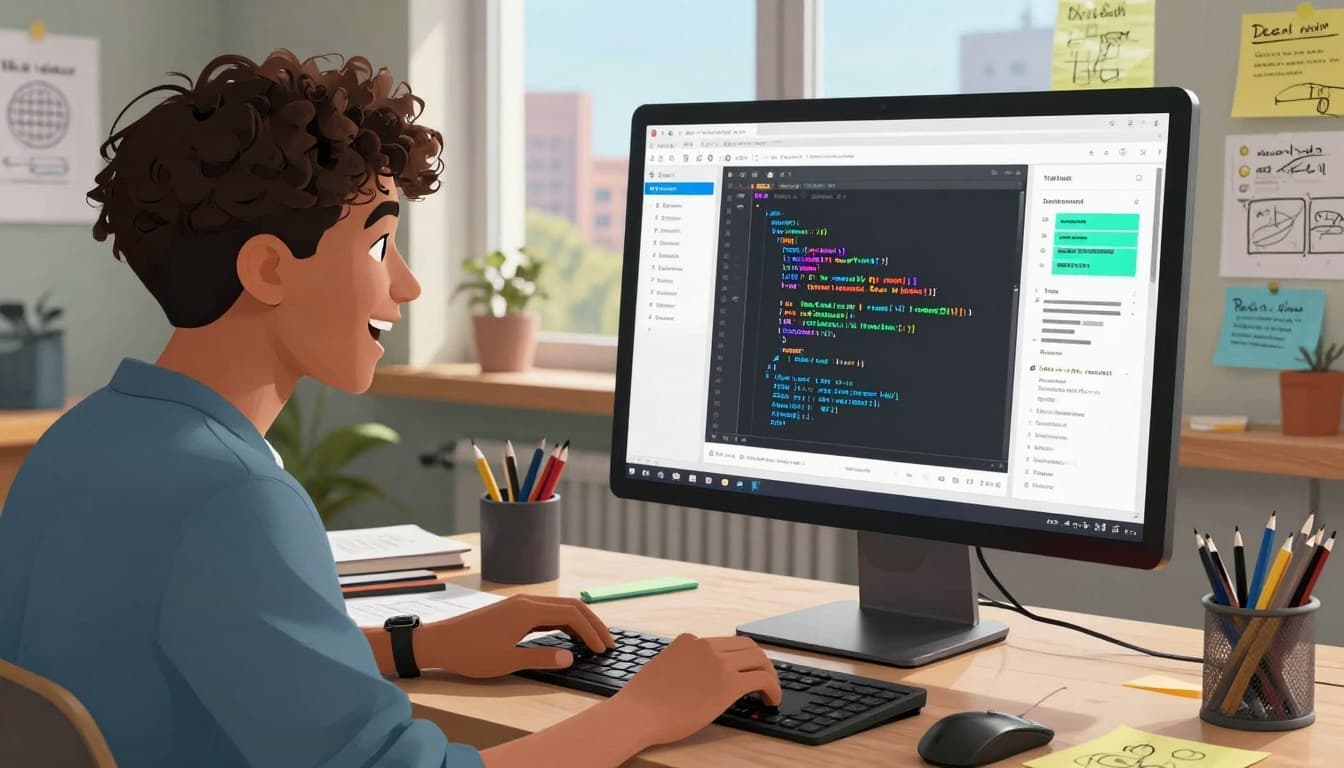
Image created with AI
When entry-level jobs vanish, you have to flip the script. Instead of waiting for a title so you can get experience, you build experience so someone feels safer giving you the title.
Hiring managers care a lot less about “Intern at FancyCorp” than you think. What they really want to see is proof that you can do the work.
You can create that proof even without a perfect first job:
- Freelancing: Take on small paid gigs in writing, design, social media, tutoring, translation, or simple websites. A LinkedIn piece on freelancing as the new entry-level job for Gen Z points out that short freelance projects often replace formal internships now.
- Volunteering: Run social media for a local nonprofit, redesign flyers for a community group, or help a small charity set up basic data tracking.
- Helping a family or friend’s business: Modernize their booking system, track expenses in a spreadsheet, start a simple email list, or improve their Google Business profile.
- Campus or personal projects: Build a small app, write a mini research report, run a survey, or organize a student event and keep the numbers on attendance, budget, and impact.
Each one of these can turn into a bullet point if you record outcomes:
- “Grew a local bakery’s Instagram account from 300 to 1,200 followers in 3 months.”
- “Rebuilt a simple website that boosted online inquiries by 25 percent.”
- “Assisted with wiring and installation on 15 residential projects in 6 months.”
The trades story from earlier shows how powerful this can feel. That business grad who became an electrician talks about the satisfaction of finishing a job with his own hands and seeing the result right away. There is a deep sense of ownership that is hard to get from moving slides around in a deck.
You can borrow that mindset even if you are not in a trade:
- Treat each project as “a job you gave yourself.”
- Set a clear start and end, and track the result.
- Add it to a simple portfolio site, PDF, or even a clean Google Drive folder.
When you apply, do not only list your degree and part-time jobs. Show projects with proof. That is how you stand out when everyone has the same graduation date on their resume.
Protect Your Mental Health While You Keep Applying

Image created with AI
The job search grind is not just a time suck. It hits your mental health hard. You are dealing with silence, rejection, money stress, and social pressure, often all at once.
Public health experts say this constant uncertainty can cause burnout even before your career starts. Guides like Johns Hopkins’ tips on caring for your mental health while job searching stress that you have to treat your well-being like part of the process, not an afterthought.
A few simple habits help you stay in the game longer:
1. Set limits on job search time
- Pick set hours, like 9 a.m. to 1 p.m., to apply and follow up.
- After that, you are done for the day. No “just one more” scroll at midnight.
This keeps the search from taking over every hour and gives your brain a chance to reset.
2. Plan no-application days
- Choose at least one day a week with zero job search tasks.
- Use it to see friends, move your body, work on a hobby, or just rest.
You are not lazy for needing a break. You are human.
3. Share leads, not just stress, with friends
- Start a small group chat with classmates or coworkers in the same spot.
- Swap links to roles or programs, not only venting.
Mutual support helps. So does feeling like you are not the only one sending resumes into the void. Articles that offer smart Gen Z job-hunting tips in a tough market often highlight community and shared resources as key.
4. Get real mental health support if you can
- If you still have access to campus counseling, use it while you can.
- Look for low-cost or sliding-scale therapy in your area.
- Online groups and self-care guides, like these Gen Z self-care tips to reduce anxiety, can also give you tools for rough days.
Most important: the problem is not that you are lazy or broken. The system really is tight. Entry-level hiring is below where it needs to be, layoffs are high, and many grads are stuck or underemployed. Economists say this “frozen” market could be the new normal for a bit.
There is some hope on the horizon. Interest rate cuts are meant to push more borrowing and spending, which can lead to more hiring as businesses feel safer planning for growth again. That will not fix everything overnight, but it can slowly open more doors.
Your job is to stay well enough, and skilled enough, to walk through those doors when they appear. Protect your mind, keep your expectations flexible, and remember that this strange start does not define your whole career.
How To Use Images And Stories To Make This Topic Real

In a market where thousands of grads chase the same “entry-level” posting, plain text is easy to ignore. Numbers about 9 to 10 percent unemployment and 1.1 million layoffs are real, but they blur together for recruiters who see them every day.
What cuts through is something different: a clear story backed by simple visuals that prove you did real work, even if your title was part-time cashier, student, or apprentice electrician.
This section is about how to turn your experience into images and stories that feel human, stick in a hiring manager’s memory, and work in your favor instead of getting lost in the noise.
Turn Your Experience Into Short, Visual Stories
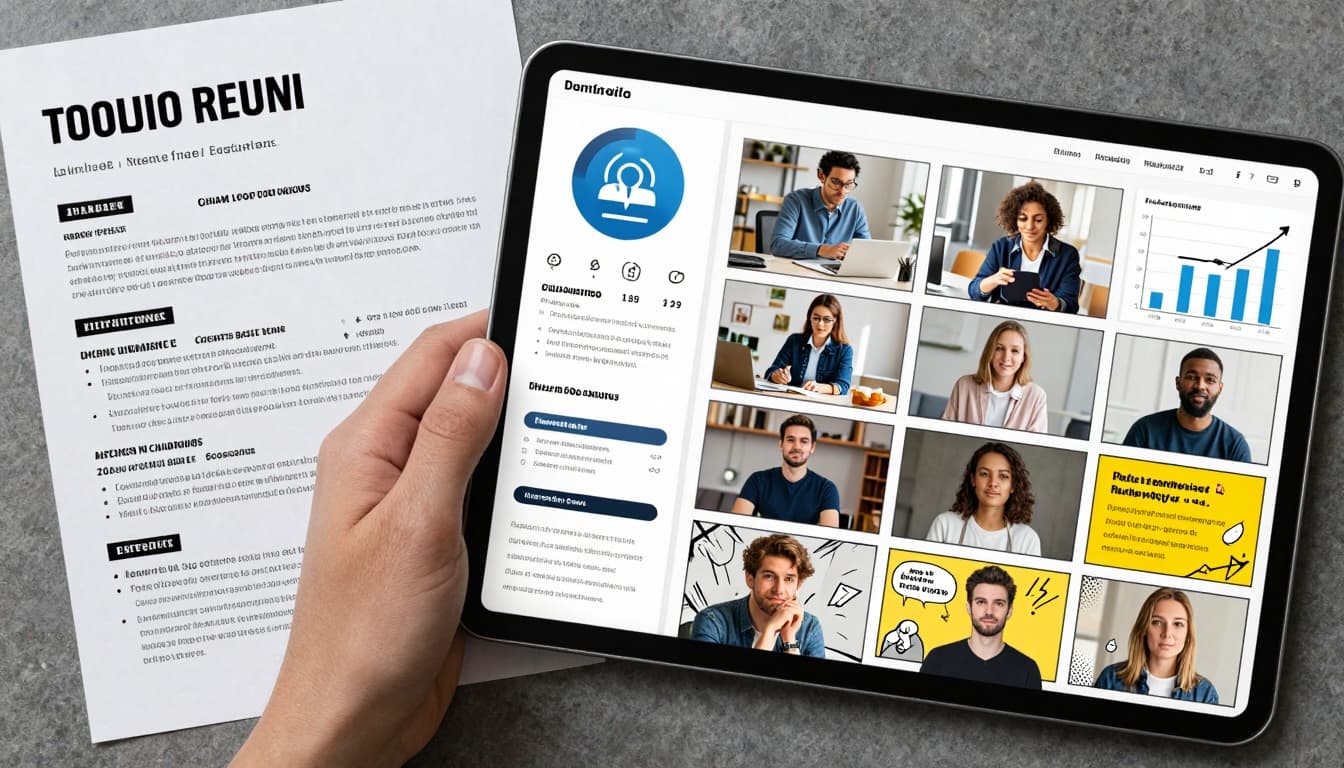
Most resumes still read like a grocery list: “Assisted with marketing,” “Helped customers,” “Worked on projects.” In a frozen job market, that is not enough.
A better approach is story plus proof.
Use a simple structure for each key thing you have done:
- What was going wrong or missing?
- What did you do, step by step?
- What changed because of you?
Then, add a small visual that makes the impact obvious at a glance.
For example:
- You worked at a hotel front desk before you got laid off.
- You noticed guests kept asking the same questions.
- You created a simple FAQ sheet and pushed your manager to add it to the website.
- Complaints dropped, or check-in lines got shorter.
You could:
- Show a tiny before/after chart of average wait times.
- Add a screenshot of the FAQ page you helped shape.
- Write a one-paragraph story in your portfolio:
“Guests waited up to 15 minutes at peak times. I documented top questions, built a one-page FAQ, and partnered with our web admin to add it online. Within 2 months, front desk queue time dropped about 20 percent during weekends.”
This is the kind of narrative style that career experts call a narrative resume. It focuses on story and outcomes, not just duties. Guides like Teal’s breakdown on using storytelling in your resume show how this makes your work more memorable and easier to skim.
You can use the same story format for:
- A group project in college
- Helping a family electrical business with scheduling
- Running social media for a local shop
- Volunteering at events or in your community
The key is to keep each story short, specific, and real, with one small visual that supports it.
Build A Digital Portfolio That Feels Like A Real Person
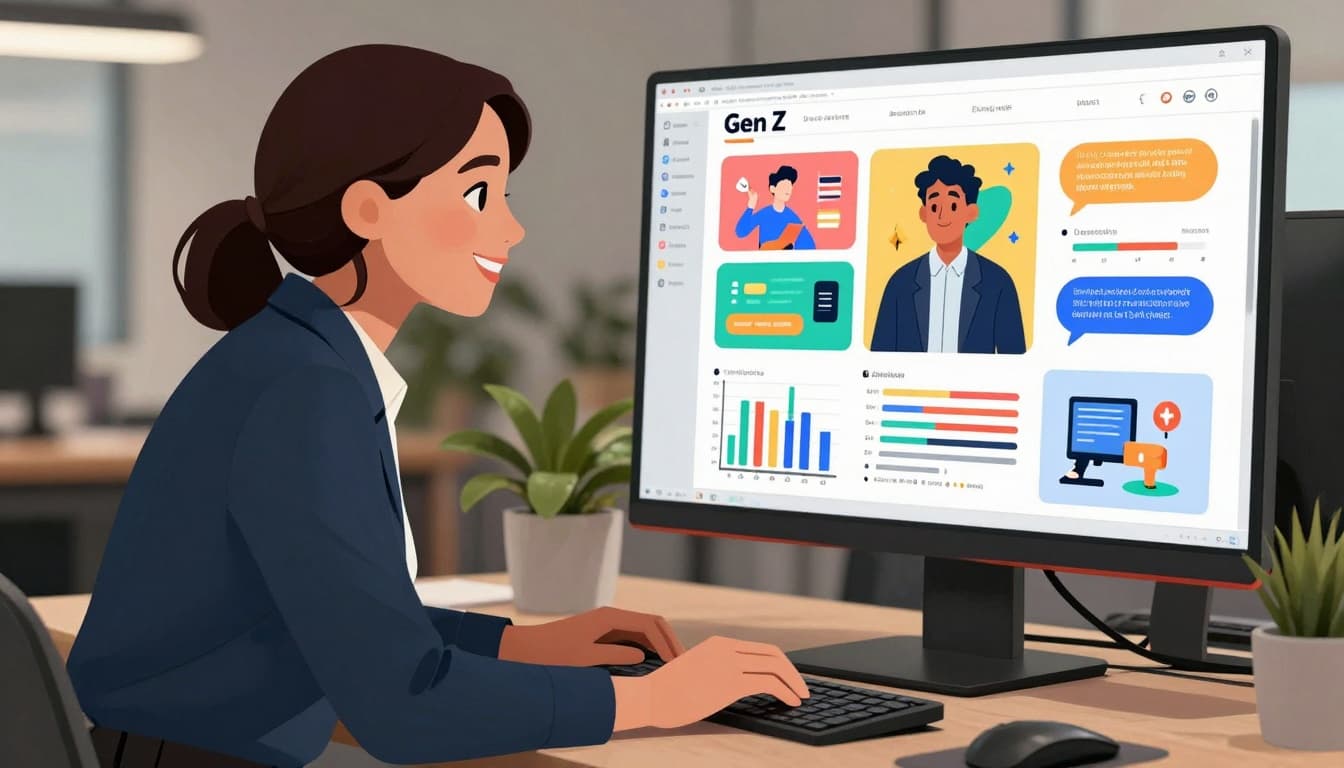
If everyone is fighting for a tiny number of entry-level jobs, you want to be the person a recruiter remembers, not just another PDF in the pile.
That is where a simple digital portfolio comes in.
You do not need to be a designer or developer. A basic website, Notion page, or even a clean Google Drive folder can work if you follow a few rules:
Must-have sections
- About snapshot: 3 to 4 lines on who you are, what you care about, and the type of work you want right now.
- Projects with images: Each project gets 1 image or screenshot, 3 to 5 bullet points, and 1 number that shows impact.
- Skills in action: Instead of just listing “communication” or “problem solving,” link them to a story. For example, “Communication: led daily safety briefings on a construction site with a 5-person crew.”
- Contact links: LinkedIn, email, and maybe a resume download.
Resources like Cirkledin’s guide to Gen Z digital portfolios walk through platforms and layout ideas if you want more structure.
What to show as visuals
- Screenshots of social media posts you created
- A photo of a wiring panel you helped install, with a short caption on what you did
- A graph of “before vs. after” for sales, signups, or event turnout
- A short slide with photos from a campus club event you organized
- A quick mobile mockup if you redesigned a page or form
You do not need fancy design. Clean, simple, and honest wins.
One trick that works well: create one hero project at the top of your portfolio. This is your best story with the clearest result. A recruiter might only scroll for 30 seconds. Make that first block hit hard.
Use Images And Stories Across Your Resume, LinkedIn, And Interviews

Images and stories are not only for portfolios. You can thread them through your whole job search so your message is the same everywhere a recruiter looks.
On your resume
You cannot embed big photos in a standard resume, but you can:
- Add a link to your portfolio right under your name.
- Use 1 or 2 bullets per job that read like mini stories:
- “Created a tool display layout in a big-box store that helped lift weekly demo signups from 15 to 28.”
- “Supported an electrician crew on 25+ residential jobs, handling tool prep, safety checks, and basic wiring.”
The goal is to give a hint of the story so a recruiter wants to click through to see more.
On LinkedIn
Gen Z job seekers with strong LinkedIn profiles are far more likely to get offers, as recent research on Gen Z job search trends on LinkedIn has shown.
You can use:
- The Featured section for images from projects, portfolio links, or short slides.
- Short posts that tell one story at a time, for example:
“I thought my business degree would take me straight to an office job. Instead I joined my family’s electrical business. Here is one project where I used both my hands-on skills and my business brain...” and add a photo from the site.
This kind of honesty lands well in a market where many grads are underemployed or pivoting into trades, healthcare, or gig work.
In interviews
When you tell a story in an interview, back it up with a simple visual:
- Bring a tablet or laptop with one slide per project.
- Or just have 3 key images saved on your phone that you can show quickly if it feels natural.
Instead of only saying, “I helped redesign our marketing flyers,” you can say:
- “Can I show you one before and after?”
- Then pull up the file, explain your role, and share what changed in response rates.
Hiring leaders on LinkedIn have talked about how visuals make candidates more memorable, especially in creative and junior roles. Pieces like LinkedIn’s feature on using visuals to get hired highlight that simple images can show your taste, your thinking, and your results faster than any paragraph.
Keep It Real, Short, And Mobile-Friendly
Recruiters and managers often skim on their phones between meetings. Your stories and visuals need to respect that.
A few final rules to keep in mind:
- One screen, one idea: Every project section should fit on a single phone screen without tiny text.
- Short captions: Aim for 1 to 2 lines under each image, not a wall of text.
- Plain language: Talk the way you’d explain your work to a smart friend, not like a corporate press release.
- Real numbers: Even rough estimates are better than nothing, for example, “about 20 percent fewer complaints” or “roughly 30 new signups.”
In a job market where many grads are stuck in the same cycle of mass applications and silence, images and stories are how you stop being a statistic. You become the person who reduced check-in lines at a hotel, wired a tricky renovation job, or doubled event turnout for a club, and you can prove it on one screen.
Conclusion
Gen Z job hunting feels out of control right now because the numbers really are stacked against you: fewer true entry-level roles, frozen hiring after the post-pandemic surge, rapid AI shifts, and constant social and mental pressure. Surveys show that only about one-third of recent grads land a full-time job in their field, while unemployment for new degree-holders now looks a lot like rates for young people with only a high school diploma. The key is to remember you are not the problem, and you are definitely not alone, because many of your classmates and friends are quietly fighting the same fight.
What you do next still matters a lot. The choices you make in this tough stretch can set you up for long-term strength once the market loosens and more people start moving jobs again.
Here are a few clear takeaways to carry forward:
- Keep stacking skills, especially around AI and tools that help you do more with less.
- Look toward growing fields like trades, healthcare, and practical tech roles where hiring is still real.
- Use concrete projects and visible results to prove your value instead of waiting for a perfect title.
- Protect your mental health with real boundaries, support from your people, and breaks from the constant grind.
The job market will shift over time, even if it feels stuck right now, and the mix of skills, projects, and habits you build today can still lead to a strong, meaningful career that fits the life you want.