


2026 isn’t paying out for random side hustles. It rewards focus. The people winning right now aren’t doing ten tiny things. They’re doing one clear thing for one clear group, and they’re doing it well.
This list covers Best Businesses to Start in 2026 that match what people are already buying: better health support, easier routines, more convenience, and smarter tools that save time. These aren’t “start a blog and hope” ideas. They’re real businesses you can build into something meaningful.
One rule to keep in mind as you read: go person first, product second. Pick a group you understand, then build high-margin offers for them. Also, the math is simpler than it looks. A steady stream of daily orders at a fair price adds up fast. Think systems, not lottery wins.
How to choose a business that actually has a shot in 2026
A “good” business idea in 2026 usually has five things going for it. It serves a clear audience (you can picture them), it has strong margins (you’re not racing to the bottom), it encourages repeat buying (refills, subscriptions, re-orders), it’s easy to deliver (shipping, digital, or local service), and it has a reason to exist. That reason can be a new format (like a shot instead of a pill), better branding, or serving a group that’s been ignored.
A quick self-check while you read the seven ideas: can you name the buyer in one sentence, can you charge enough to profit after ads and support, and can you add three to five related offers later without confusing people? If you can, you’re close.
Go person first, then build a small line of products or services
When you choose a specific group, marketing stops being abstract. “Women in their 40s struggling with sleep and temperature swings” is clearer than “women’s wellness.” “Men who want cleaner grooming that doesn’t feel fussy” is clearer than “skincare.”
This approach also helps you grow a simple product line over time. You start with one or two hero offers, then add adjacent ones that the same person already wants. It’s like opening a small, well-run coffee shop, then later adding pastries and beans, instead of trying to launch a whole food court on day one.
Aim for premium pricing, because racing to be cheapest is brutal
Competing on price is a rough way to live in 2026. Ads cost money, returns happen, customer support takes time, and suppliers raise prices when you least want them to. Premium pricing gives you room to breathe.
It also makes your business more “stable” in a quiet way. You can afford better ingredients, tighter packaging, faster shipping options, and real support. And you can spend to acquire customers without panicking every time an ad gets expensive.
The 7 best businesses to start in 2026 (and why they are trending up)
These seven ideas all have a similar pattern: they serve a defined group, they support premium pricing, and they match what people are already searching for and buying. You’ll also notice a theme of new formats and overlooked audiences, which is where the clean opportunities usually hide.
Perimenopause support brand (supplements, skin, sleep, and comfort)
Perimenopause is becoming a very loud conversation, and it’s about time. Women want better help for sleep, mood, temperature changes, energy, and day-to-day comfort. The market is growing, but it’s still less crowded than many other wellness categories. That’s a rare window.
You don’t need 20 products. Start with a small “core stack” that feels premium and simple: a nightly sleep support, a daily baseline formula, and one comfort-focused product that people can actually stick with. Keep your claims responsible and focus on routines and support, not miracles.
Trend proof is easy to find, even in mainstream media. Here’s a good overview of the category’s momentum: perimenopause business growth coverage.
First step to validate: talk to 20 women in a tight age band (say 38 to 52). Ask what they’ve tried, what they hated, what they’d pay for if it felt trustworthy. Then pre-sell a starter bundle with a clear ship date. If people won’t commit early, don’t build.
Natural men’s grooming, fragrance, and hair care (clean, simple, and confident)
Men’s personal care keeps getting bigger, and the money flowing into the category is a strong signal. When a major company pays up for a men-focused brand, it’s because the demand is real and repeatable. Unilever’s move to buy Dr. Squatch is a clean example of that momentum: Unilever press release on Dr. Squatch.
The angle that keeps working is simple: clean ingredients, strong scent stories, and marketing that talks like a real guy. Not “clinical,” not “pretty,” not awkward. Just confident and direct.
Start with two hero products: one fragrance (natural cologne or solid fragrance) and one hair product (pomade, clay, scalp-friendly shampoo). If you do those well, the add-ons are obvious later: deodorant, body wash, beard care, travel kits.
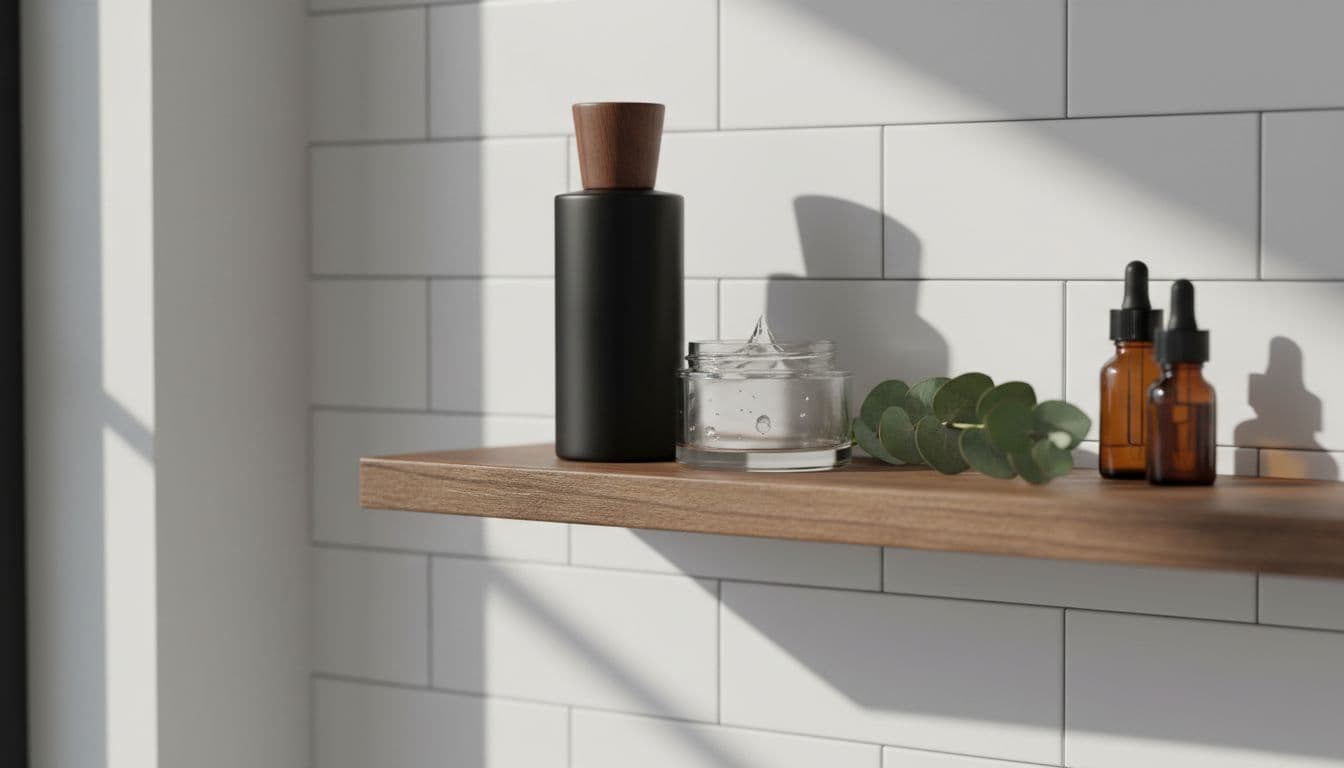 Natural men’s grooming products styled for a clean, premium routine (created with AI).
First step to validate: build a one-page site with a scent concept people can picture (like cedar and citrus, or vanilla and spice). Run small tests with short videos and a waitlist. If the waitlist grows, you’re not guessing anymore.
Brain and focus supplements for adults 50+ (cognitive support built for seniors)
Older adults care about memory, focus, and energy, and many have more spending power than younger buyers. That’s the business case. The human case is even stronger: people want to feel sharp, useful, and independent.
Most brain and focus branding still skews young, techy, and buzzword-heavy. A brand built for 50+ can win just by being clear, calm, and respectful. Think “daily brain routine,” not “biohacker stack.”
Product angles can be straightforward: a daytime focus formula, a gentle memory support option, and a caffeine-free evening wind-down that supports sleep quality. Keep claims careful and stay aligned with regulations. You’re selling support, not treatment.
First step to validate: create simple educational content that explains basics in plain English (sleep, stress, hydration, movement, routines). Add a waitlist for a “first batch” bundle. If you get steady sign-ups without hypey promises, you’ve got something.
Supplement “shots” and ready-to-drink wellness (new delivery, high margins)
Convenience sells, and people are tired of ten-pill routines. Ready-to-drink wellness, especially shots, fits how people already live: grab it, take it, move on. It also supports premium pricing because the format feels immediate and “done for you.”
Use cases are easy to understand: pre-social drinking support, pre-workout energy, digestion after heavy meals, calm-down shots for evenings, focus shots for workdays. Subscriptions work here too because habits form fast when the routine is simple.
If you want trend context on supplements and formats, this roundup is helpful: 2026 supplement and vitamin trend list.
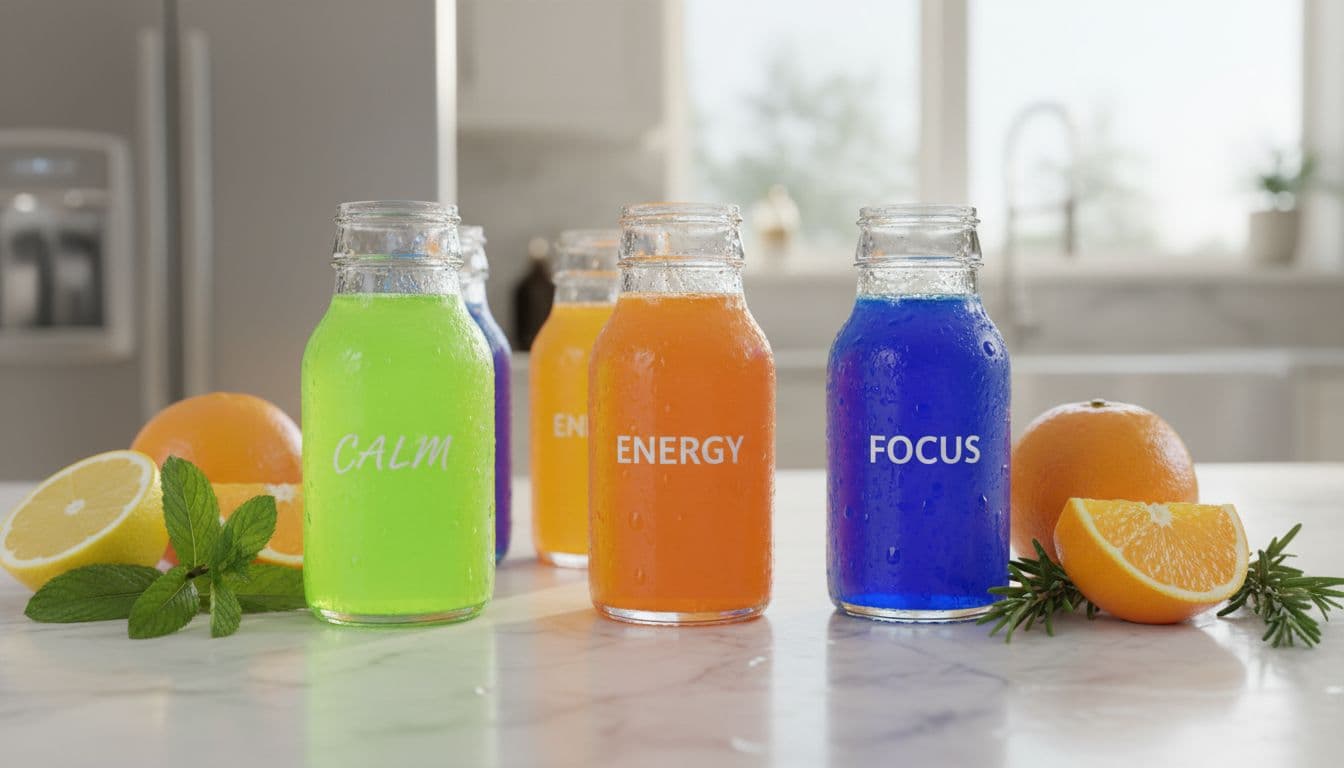 Wellness shots in a “grab-and-go” format that fits daily routines (created with AI).
First step to validate: don’t start with a full line. Start with one shot and one promise that’s easy to test (like “calm” or “digestion support”). Pre-sell a 7-day pack to a small audience and see if people finish it and ask for more.
Also Read: Business Ideas for Women in 2026: 6 Online Businesses You Can Start Now (Even With $0)
Protein desserts and better-for-you snacks (make classic treats high protein)
High-protein is still the loudest food trend, and it’s not going away soon. People want snacks that feel normal, taste good, and still help them hit protein goals. That’s the sweet spot: familiar treats, upgraded.
A simple approach: pick one classic snack style and own it. Brownies, snack cakes, toaster pastries, ice cream sandwiches. Then make it higher protein, lower sugar, and honestly good. If it tastes like cardboard, it’s done.
For context on how protein became a mainstream wellness obsession, this breakdown is solid: how protein took over wellness.
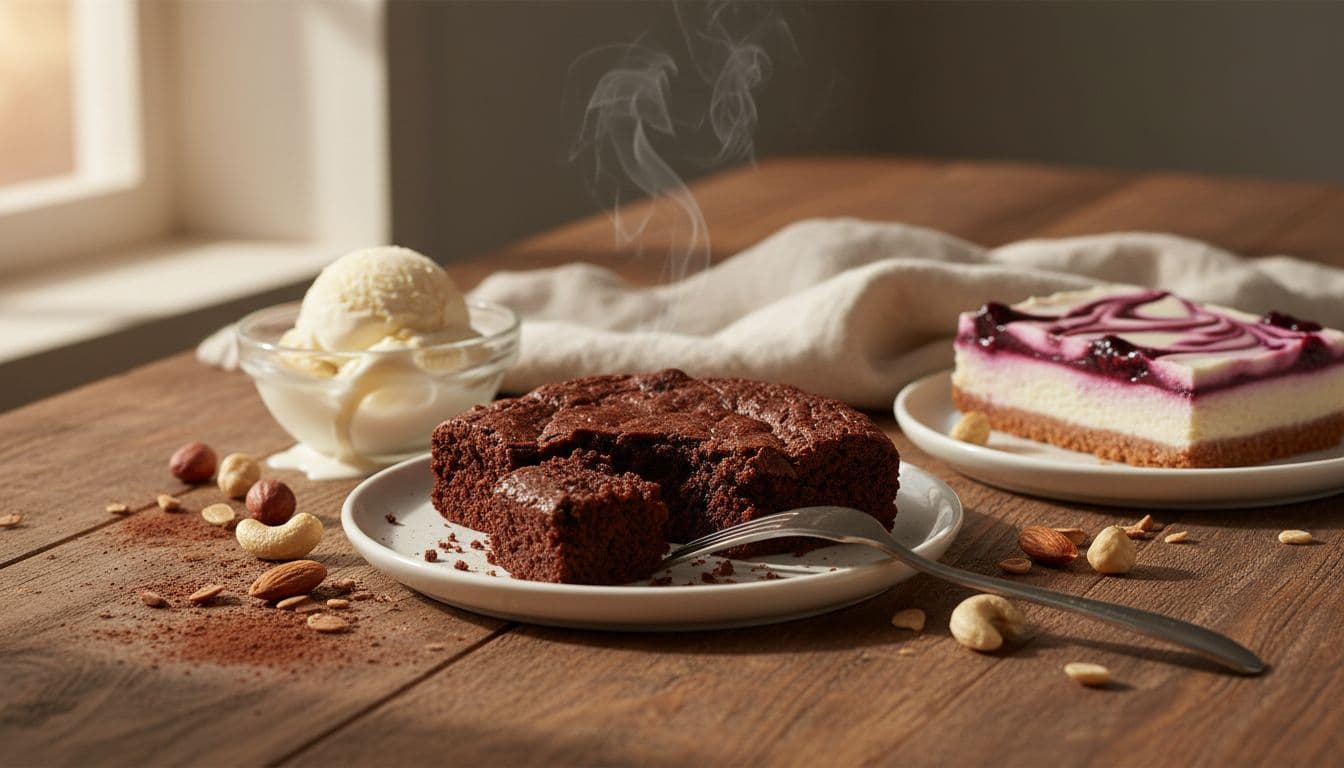 High-protein desserts that still look and feel like real treats (created with AI).
First step to validate: make three flavors, do small batches, and get blunt feedback locally (gyms, coworking spaces, small markets). Then sell online once you’ve got a winner, not before.
Detox protocols for specific modern triggers (niche, but growing fast)
Detox is a loaded word, so keep this grounded and responsible. The opportunity isn’t “magic cleansing.” It’s targeted protocols for complaints people already search for and talk about in communities: mold-related support routines, gut reset plans, “environment-focused” habits, and simple elimination protocols.
This can be a product business, a service business, or both. Supplements plus education is common. Coaching can work if you’re qualified. A membership can work if you’re consistent and supportive. The real value is clarity, structure, and trust.
First step to validate: look at search trends and community discussions, then pick the top two complaints you see over and over. Build one focused protocol around one complaint. Sell it as a 14-day plan with clear boundaries and realistic expectations.
AI setup and automation service for local businesses (real ROI, fast results)
Local businesses are adopting AI because they’re tired. They’re busy, short-staffed, and still expected to respond instantly. In January 2026, the pattern is clear: AI is shifting from experiments to daily operations, and demand is rising for practical help, not theory.
This is where a small service business can win. You help a dentist, gym, real estate agent, or contractor set up AI for review replies, lead follow-up, FAQ handling, content drafts, simple booking messages, and basic automations. The pitch is simple: fewer dropped leads, faster replies, more booked calls.
If you want broader context on how wellness and tech keep growing together, this overview helps frame it: biggest wellness trends of 2026.
First step to validate: offer a fixed-price “AI in a week” package. Get three pilot clients, document results (response time, leads contacted, appointments booked), then raise prices once it’s repeatable.
How to validate your idea fast, without wasting months
Validation doesn’t need a perfect brand name or a fancy site. It needs one clear buyer, one clear offer, and proof that someone will commit. Start by choosing a narrow target, writing a single promise you can stand behind, and putting it on a basic landing page. Then drive people to it with short videos, simple posts, and direct messages.
Pricing is part of validation too. If you can’t charge enough to profit, it’s not “early,” it’s broken. Test a premium price early, then adjust based on real feedback, not nerves. And if your product supports refills, consider a subscription from day one because repeat buying changes everything.
A simple pre-sell plan you can run in a weekend
Pick one offer and one outcome. Build a one-page site with a waitlist or pre-order. Post three short videos that explain who it’s for and why it exists. Then message 30 people who match the buyer profile and ask for honest feedback. If you can collect deposits or pre-orders, do it. Money is clearer than compliments.
What to track early (so you know if it is working)
Keep it basic: email sign-ups, how many people reply to your messages, pre-orders (or deposits), and whether buyers say they’d reorder. Also watch refunds or complaints. One angry customer early is annoying, but it’s also data.
What I learned researching these 2026 trends (and what I would do first)
What surprised me is how often the best opportunities come from the same place: a group that’s been talked around, not talked to. Perimenopause is a good example. Men’s grooming is another. People have needs, they just don’t always have brands that feel like they get it.
I also noticed that new formats restart old categories. Shots make supplements feel easier. Protein desserts make “diet food” feel normal. Even AI services are basically the same old promise (save time), just delivered in a new way.
If I were starting from zero, I’d pick the audience I can reach fastest, then build one premium offer and pre-sell it. Not perfect, not huge, just real.
Conclusion
The best pick depends on your skills and your access, not hype. Choose the business where you can reach buyers, tell a clear story, and deliver a premium result. Then validate it in 7 to 14 days and commit to a focused 90-day sprint.
If you had to choose one today, which of these Best Businesses to Start in 2026 are you leaning toward, and why?