


Starting an AI-powered business in 2026 feels a bit like showing up to a construction site with power tools instead of a screwdriver. The work still matters, but you can build faster, test ideas quicker, and ship results in days instead of weeks.
What changed this year? Tools are cheaper, easier to use, and better at handling full tasks, not just bits of text. More platforms now support “agent-like” automations that connect your email, calendar, docs, and marketing apps into one workflow. That makes beginner businesses more realistic than they were even a year or two ago.
This guide shares the BEST AI Business Ideas you can start in 2026 with low overhead and clear first steps. Just keep expectations real: a solid income usually comes from consistent work over months, not a weekend sprint.
 An overview of five beginner-friendly AI business models, created with AI.
What to look for in a beginner-friendly AI business in 2026
A good AI business idea isn’t “something with AI.” It’s a simple offer that solves a real problem for someone who can pay.
Use these filters before you commit:
- A real problem: It should fix a pain people already complain about (no leads, no time, low sales, messy operations).
- A clear buyer: You should know who pays (local businesses, creators, small e-commerce brands, coaches).
- Low overhead: You shouldn’t need inventory, a team, or expensive software to start.
- Fast to deliver: If you can’t deliver the first version in 7 days, it’s probably too complex right now.
- Repeatable: You want something you can do again and again with a process.
- Learnable without a degree: AI can handle the heavy lifting, but your job is judgment, taste, and quality control.
One tip that saves beginners months: pick one lane. One niche, one offer, one simple way to deliver. You can expand later, after you’ve got proof and cash flow.
If you want extra inspiration beyond this list, Shopify keeps an updated roundup of AI business categories and examples here: https://www.shopify.com/blog/ai-business-ideas
The 3 biggest mistakes beginners make with AI businesses
1) Being vague (selling “AI” instead of an outcome)
Clients don’t buy “AI automation.” They buy “fewer no-shows,” “more booked calls,” or “12 social videos a month.”
2) Relying on low-effort output
If you push out generic text, recycled visuals, or spammy videos, trust drops fast. AI helps you move faster, but originality and quality still decide whether people pay and stay.
3) Quitting too early
Most beginner AI businesses fail because the owner stops after two weeks. Real traction often shows up after you’ve done the boring reps: outreach, delivery, feedback, improvement.
A simple tool stack that works for most ideas
You don’t need 20 subscriptions. You need a small stack that supports output:
- ChatGPT (or similar): drafting, planning, scripts, offers, outlines, basic troubleshooting.
- Canva: templates, thumbnails, brand kits, social content, simple product assets.
- Notion or Google Docs: delivering templates, guides, and client documentation.
- A basic landing page: a one-page site that explains your offer and has one call to action.
- One automation tool: something like Zapier to connect forms, email, sheets, and scheduling.
Start simple. Your “stack” should make it easier to deliver results, not harder to decide what to do.
The 5 best AI business ideas to start in 2026 (for beginners)
Each idea below includes who it’s for, what you sell, rough startup cost, and a simple first offer you can launch this month.
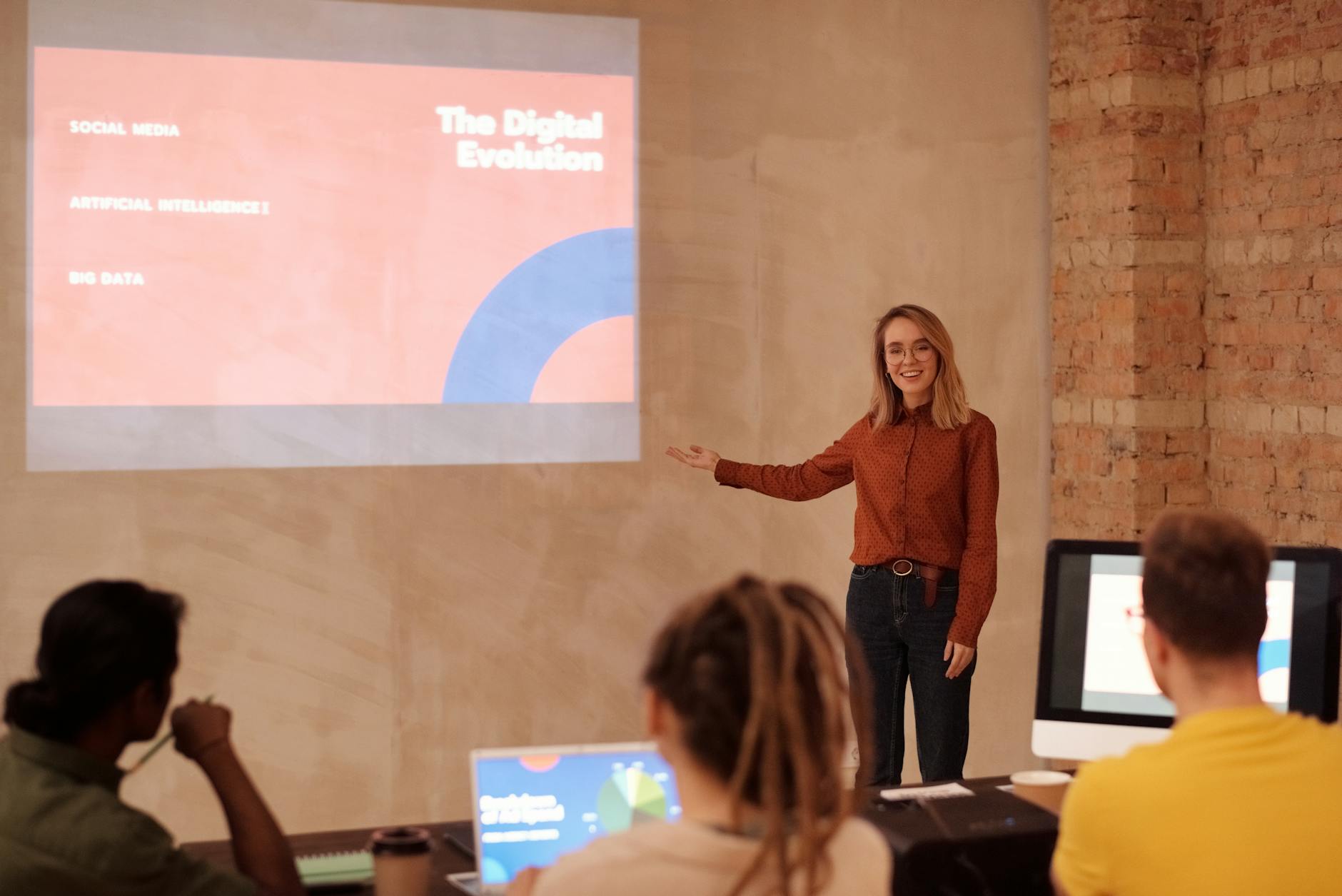
Photo by Mikael Blomkvist
1) AI drop servicing agency (sell outcomes, outsource or use AI tools)
Drop servicing is reselling services: you sell the result, then produce it using AI tools, freelancers, or a mix of both. In 2026, this model is easier because AI can handle big chunks of production even if you’re not a specialist.
Who it’s for: beginners who can talk to business owners and manage projects
What you sell: a clear outcome (more leads, better content, faster follow-up)
Startup cost: about $0 to $150 (tools, domain, maybe a freelancer test order)
How you deliver: done-for-you service with a weekly turnaround
Beginner-friendly offers you can start with:
- Short-form video edits for Reels, Shorts, TikTok
- Simple one-page websites or landing pages
- Thumbnails and basic channel branding
- Basic SEO setup (on-page fixes, metadata, local pages)
- Email sequences for lead follow-up
- Lead capture page plus a simple chatbot FAQ
- Simple automations (form to CRM, follow-up email, appointment reminders)
A simple pricing math example:
- Client pays $300 for a logo package
- Your cost is $80 (AI tool credits or a freelancer)
- Your profit is $220 (before fees and time)
The key is clarity. Don’t sell “marketing.” Sell one result to one niche first, like dentists, gyms, realtors, or local contractors.
2) AI digital products (templates, guides, planners, and mini toolkits)
Digital products are attractive because you build once and sell many times. No inventory, no shipping, no customer calls unless you want them. The catch is simple: quality matters more than ever because buyers can spot “cheap AI output” instantly.
Who it’s for: people who like writing, organizing, or designing
What you sell: templates and small tools that save time
Startup cost: about $0 to $80 (mostly Canva and marketplace fees)
How you deliver: instant download via Etsy, Gumroad, or your own site
Beginner product ideas that still sell when done well:
- Notion templates (content calendar, client tracker, habit tracker)
- Canva templates (Instagram packs, pitch decks, brand kits)
- Journals and planners (daily, weekly, niche-specific)
- Checklists and swipe files (launch checklist, onboarding pack)
- Prompt packs (only if they’re tested and tied to a real job)
- Short PDF guides (30 to 60 minutes to read, heavy on action)
- Mini courses (1 to 2 hours, focused on one outcome)
A smart approach is starting with a $10 to $20 product to validate demand. If it sells, improve it over a few weeks using real customer feedback, examples, and clearer steps.
Simple creation workflow: ChatGPT for outline and drafts, Google Docs for writing, Canva for layout, Notion for bonus templates, then publish and update.
For a broader list of beginner-friendly AI business directions, this roundup is useful for brainstorming: https://nucamp.co/blog/top-10-ai-business-ideas-you-can-start-in-2026-low-cost-high-potential
3) Niche online store with AI-powered product research and creatives
General stores are tough now. Niche stores win because they look focused and trustworthy. In 2026, shipping speed also matters more than ever, so local or regional sourcing is safer (US-to-US, UK-to-UK, EU-to-EU).
Who it’s for: builders who like testing products and ads
What you sell: a tight set of products for one niche
Startup cost: about $50 to $300 (platform fees, apps, ad tests)
How you deliver: e-commerce store plus creative testing
Where AI helps most:
- Product research and trend scanning
- Product titles, descriptions, and FAQs
- Keyword ideas and ad angles
- Ad creatives (images, hooks, variations)
- Simple product videos for ads
- Store setup speed (themes, sections, basic copy)
A common beginner mistake is uploading hundreds of random products. A better move is 5 to 15 products that all fit one buyer and one story.
If you’re new to building sites and want a simple walkthrough mindset, Hostinger’s guide is a decent overview of categories and directions: https://www.hostinger.com/tutorials/ai-business-ideas
4) AI YouTube channel with high-value content (not low-effort spam)
The easy “faceless AI channel” trend is fading because viewers and platforms can tell when content has no real effort. High-value channels still grow fast, even with AI support, because they teach something real or tell stories well.
Who it’s for: patient creators who can publish consistently
What you sell: attention that turns into ad revenue, affiliates, products, or leads
Startup cost: about $0 to $100 (editing tools, music, stock assets)
How you deliver: weekly videos plus repurposed clips
Two formats that work:
- Faceless: strong storytelling, visuals, clean editing, useful structure.
- Personal brand: tutorials, reviews, case studies, “how I did it” breakdowns.
Where AI helps: scripts and outlines, hook ideas, title options, captions, editing assistance, repurposing long videos into shorts.
Aim for “someone watches and can do something after.” That’s the bar.
5) AI content creation for businesses (short-form first)
If you want the fastest path to paid work, short-form content services are hard to beat in 2026. Businesses want posts and videos, but most owners won’t do it themselves. AI helps you produce faster, but you still provide the strategy, taste, and editing decisions.
Who it’s for: people who like social media and simple editing
What you sell: consistent content that brings leads and attention
Startup cost: about $0 to $100
How you deliver: monthly content packages
Simple packages that sell:
- 12 to 20 posts per month (graphics + captions)
- 8 to 16 short videos per month (edited from client footage)
- A weekly “content day” plan where you batch-create and schedule
Content marketing is the quiet engine behind most of the other ideas here. It can bring leads to your agency, your store, your digital products, and even a future coaching offer.
One reality check: long videos are harder and more expensive to generate well. Beginners usually win by starting with short-form where AI tools shine.
How to pick one idea and get your first paying customer in 30 days
You don’t need a perfect brand. You need one offer that you can deliver this week.
Here’s a simple 30-day plan that works for most beginners:
Days 1 to 3: Pick a niche and one offer
Choose one group (gyms, med spas, realtors, roofers, restaurants) and one result (more leads, more bookings, better content).
Days 4 to 7: Create two samples
Make two realistic examples: a before-and-after edit, a sample landing page, a template preview, or a demo chatbot.
Days 8 to 10: Set a starter price
Keep it simple. A “first 3 clients” price is fine if the scope is clear.
Days 11 to 30: Outreach every day
Send 10 to 20 targeted messages daily. Track replies, follow up, and improve your pitch weekly.
A basic proof checklist:
- One-page offer doc (Google Doc is fine)
- Two samples
- A short testimonial or “beta client” quote (even if unpaid at first)
- A simple intake form and delivery process
A beginner-friendly offer formula that converts
Use this template and keep it plain:
“I help [who] get [result] in [time] without [pain].”
Examples:
- “I help local restaurants get more reservations in 14 days without answering the same DMs all day (using a simple website chatbot).”
- “I help realtors get 8 ready-to-post short videos per month without spending weekends editing.”
- “I help gyms turn new leads into booked trials in 7 days without manual follow-ups.”
Easy outreach methods that still work in 2026
Local business DMs: short, respectful, and specific beats long pitches. Mention something real you noticed.
Email with a quick audit: record a 2-minute screen audit (homepage, Instagram, Google listing), then offer one fix.
Short-form content that shows your work: post edits, mini case studies, and “before/after” clips. Prospects often come to you when they see proof.
Referrals: after you deliver a win, ask for one intro. Keep it easy for them.
A good outreach “quick win” is offering one improved creative, one caption rewrite, or one sample edit. It shows skill without promising the moon.
What I learned building with AI
I’ve learned that AI speeds up work, but it doesn’t replace the basics. When I treat AI like a helper and not a shortcut, results follow.
- Consistency beats hacks: the people who win publish, pitch, and improve every week.
- Outcomes sell, “AI” doesn’t: clear results get replies, vague AI talk gets ignored.
- Quality control is non-negotiable: I always review outputs like a client would.
- Short-form is the easiest entry point: faster turnaround, faster feedback, faster skill growth.
- One niche offer grows quicker: focus makes marketing simpler and delivery smoother.
- AI supports content marketing: it makes it easier to stay visible long enough for trust to build.
Conclusion
In 2026, beginners can start real businesses faster because AI reduces the time and cost of producing useful work. The five strongest options are AI drop servicing, AI digital products, niche online stores, high-value YouTube channels, and short-form content creation for businesses.
Pick one idea, learn the basics, and use AI to move faster, not to cut corners. Start with the simplest offer you can deliver this week, then improve it with feedback. Freedom comes from compounding small wins over time, not from waiting for the perfect plan.