


A funny thing happens every few years: the “boring” local services quietly start printing money. Not because they’re trendy, but because people still need help at home, they’re busy, and they’re tired of waiting three days for a callback.
When I say low competition, I don’t mean “no competitors.” I mean messy markets where the providers are inconsistent, pricing is unclear, and the customer experience feels stuck in 2009. In those markets, a small operator with fast replies, clean quoting, and solid follow-through can win fast.
Below you’ll get 7 practical Service Businesses for 2026, why demand is rising, rough startup costs, and simple ways to validate your area before you commit.
How to spot a low competition service before everyone else piles in
Here’s the simple filter I use: strong demand signals, weak supply, and clear margins.
Demand signals look like repeat needs (weekly, monthly, seasonal), rising spend (pets, cleaning, repairs), aging homes, and households where both adults work full-time. Weak supply shows up as contractors who don’t answer, show up late, or have thin reviews. Clear margins come from “convenience pricing,” people pay extra when you make the job easy (same-week slots, simple booking, photo updates).
A lot of these categories are also fragmented, meaning no single brand “owns” the market. That’s good news. It leaves room for the operator who just runs tighter.
Quick local research you can do in one afternoon
Open Google Maps and search your service plus your city. Check the top 10 listings.
If most have low review counts, slow replies, or no online booking, that’s a crack in the door.
Other quick checks:
- Neighborhood groups and Nextdoor posts, notice what people keep asking for.
- HOA notes and community boards, they’re obsessed with curb appeal.
- Short-term rental density, more turnovers means more cleaning and exterior upkeep.
Rule of thumb: choose something you can explain in one sentence, price without stuttering, and deliver fast. Simple sells.
The “simple service” advantage in 2026
Recent customer experience reporting going into January 2026 keeps saying the same thing: speed matters. A lot of people will drop a company if response times drag, and many customers now value good service over the cheapest price. That’s a massive edge for small teams.
Tech helps too. You don’t need fancy software, just online booking, text updates, and before-after photos. Basic stuff, done every time, feels premium.
7 Service Businesses set to dominate 2026, with real-world pricing and why demand is rising
Remote cleaning referral business (cleaning, without doing the cleaning)
This model is simple: you run marketing, scheduling, and payments, then match customers with experienced independent cleaners. You’re not hiring employees, and you’re not buying equipment, you’re running the system.
Cleaning is huge in the US, commonly pegged around $97 billion across residential, commercial, short-term rental, and construction cleanup. It’s also fragmented, no one company controls the space, which is exactly why new operators can get traction. You’ll also hear figures like $3,700 per year as an average household spend on cleaning in some markets, and as busy households grow, that number tends to rise.
Typical pricing: you can package flat rates per clean, then keep a spread as the agency fee.
Startup cost: often $200 to $1,500 for a site, call tracking, and ads.
First 10 customers plan: call 10 local cleaners first, confirm rates and availability, then run one tight offer in one zip code for two weeks. Results vary a lot here, execution matters.
For broader idea lists, compare notes with resources like service business ideas and examples.
Handyman and small repair service (fast fixes, not big remodels)
Handyman work is entering a quiet boom because people are staying in their homes longer, and the housing stock is aging. The “small stuff” piles up: doors, drywall patches, shelves, caulk, light fixtures, fence fixes.
Typical pricing: $150 to $500 per job is common for small repairs, higher if it’s specialized.
Startup cost: often under $2,000 in tools, basic marketing, and insurance.
What makes competition weaker than it looks: many handymen do great work but run their business loosely. If you do same-day quoting, clear time windows, and photo proof, you stand out fast.
First 10 customers plan: pick three services, make one-page price ranges, then ask friends and neighbors for the first five jobs in exchange for honest reviews.
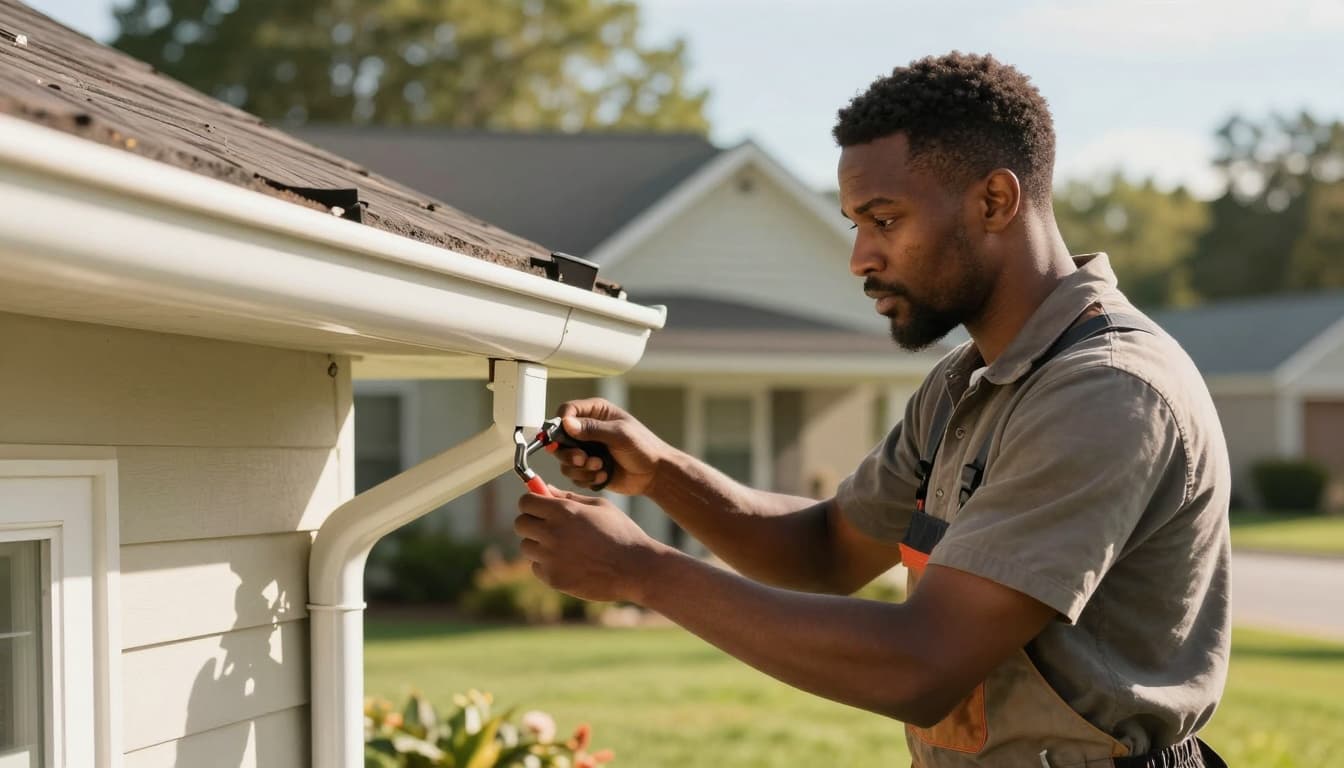 Handyman work wins when you respond fast and make pricing clear, image created with AI.
Home automation setup and smart device support (the “make it work” service)
People buy smart locks, cameras, thermostats, doorbells, and speakers, then get stuck at setup. This business is basically “no stress tech support for the home.”
Some projections put US households at 400 million smart devices installed by 2026, up sharply from 2023. Even if the exact count moves around, the direction is clear: more gadgets, more confusion.
Typical pricing: $150 to $500 per setup visit. Add optional support retainers around $99 to $199 per month.
Startup cost: a few hundred dollars in tools and training.
First 10 customers plan: partner with a local realtor or property manager and offer a “move-in smart home setup” package.
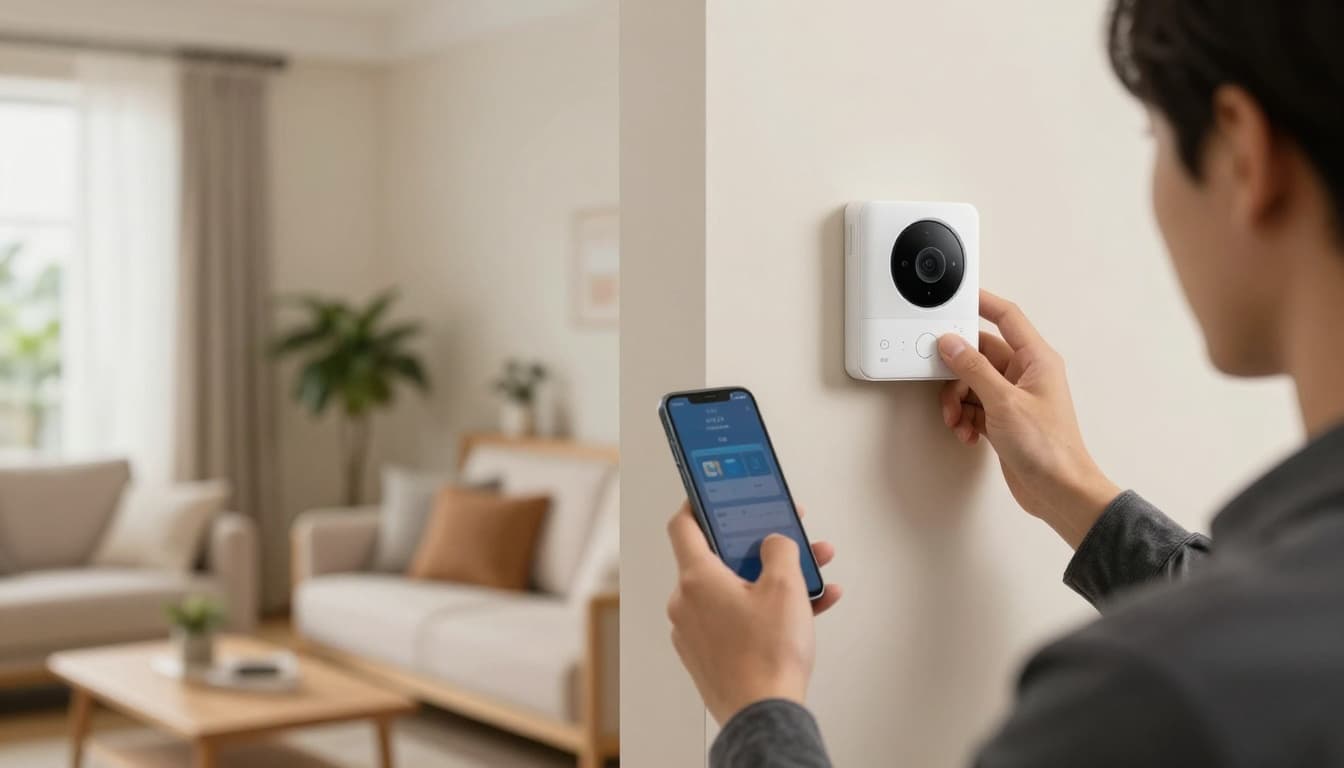 Smart home support sells because it removes headaches, image created with AI.
Mobile device and electronics repair (people repair now, they do not replace)
Phones cost a lot now, so repair is the default. Industry commentary points to continued growth into 2026, with estimates around $5.3 billion for US phone repair by 2026, and meaningful recent growth.
The angle that’s under-served: mobile, on-site repair. People pay extra to get it fixed in their driveway or office lot.
Typical pricing: depends on device and issue, but convenience allows premium rates.
Startup cost: around $3,000 to $5,000 for tools and parts to start properly.
First 10 customers plan: start with one or two high-demand repairs (screen and battery), then pitch “same-day on-site” to small offices and schools.
A useful macro view on consumer shifts toward “do-it-for-me” services is covered in Home Services Industry Trends for 2026.
Exterior softwashing and roof cleaning (high ticket, boring, and very profitable)
Softwashing is like pressure washing’s calmer cousin: low pressure plus safe cleaning solutions to remove algae and grime without blasting surfaces.
Demand drivers are obvious when you drive around: aging exteriors, short-term rentals chasing curb appeal, and HOAs pushing homeowners to clean up “ugly roofs.” Industry estimates often put exterior cleaning on track to pass $15 billion by 2026.
Typical pricing: $1,000 to $5,000 depending on roof size and severity.
Startup cost: around $5,000 for a basic rig, hoses, and chemicals.
First 10 customers plan: find two HOA-heavy neighborhoods, take three before-after sample photos from a discounted first job, then run a simple “roof wash + house wash” combo.
Safety note: check local rules, insurance, and training. Roof work is not casual.
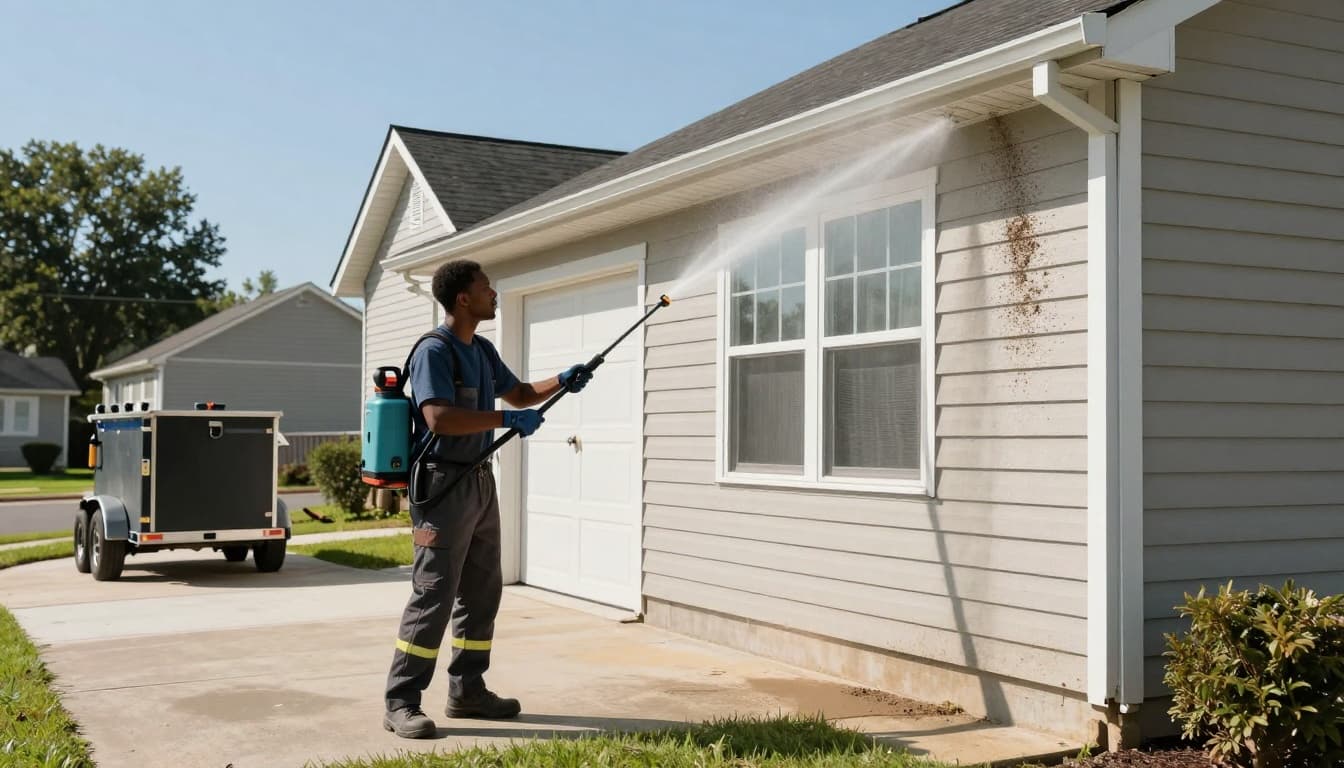 Softwashing is high-ticket when you sell curb appeal, image created with AI.
Solar panel cleaning (a practical “green” service with recurring contracts)
Solar installs keep climbing, with 2024 marked by record US solar additions in many reports. More panels means more dirty panels. Dust and pollen can reduce output, sometimes cited up to 30% in the right conditions. Homeowners don’t want to climb roofs to fix it.
Typical pricing: $200 to $600 for many residential jobs, more for larger arrays. Commercial sites can be much bigger.
Startup cost: under $3,000 can get you started with a water-fed pole setup, filter, and basics.
First 10 customers plan: build a Saturday route near neighborhoods with visible panel density, offer a “performance check plus cleaning” bundle, then push for twice-a-year repeat service.
Mobile pet services (poop scooping, grooming, pet taxi, and more)
Pet spending is still climbing, with figures like $147 billion in 2024 and projections pushing past $170 billion by 2026. Mobile services ride that wave because owners want convenience.
Three angles that work:
- Poop scooping: weekly routes, very low startup cost, recurring revenue.
- Mobile grooming: premium visits, often $80 to $120 per session.
- Pet taxi: real help for busy owners and seniors.
Startup cost: from under $100 (poop scooping) to a lot more if you go full grooming van.
First 10 customers plan: pick one neighborhood, offer a first-week promo, then stack clients on two fixed route days.
For more examples, skim service-based business ideas for 2026.
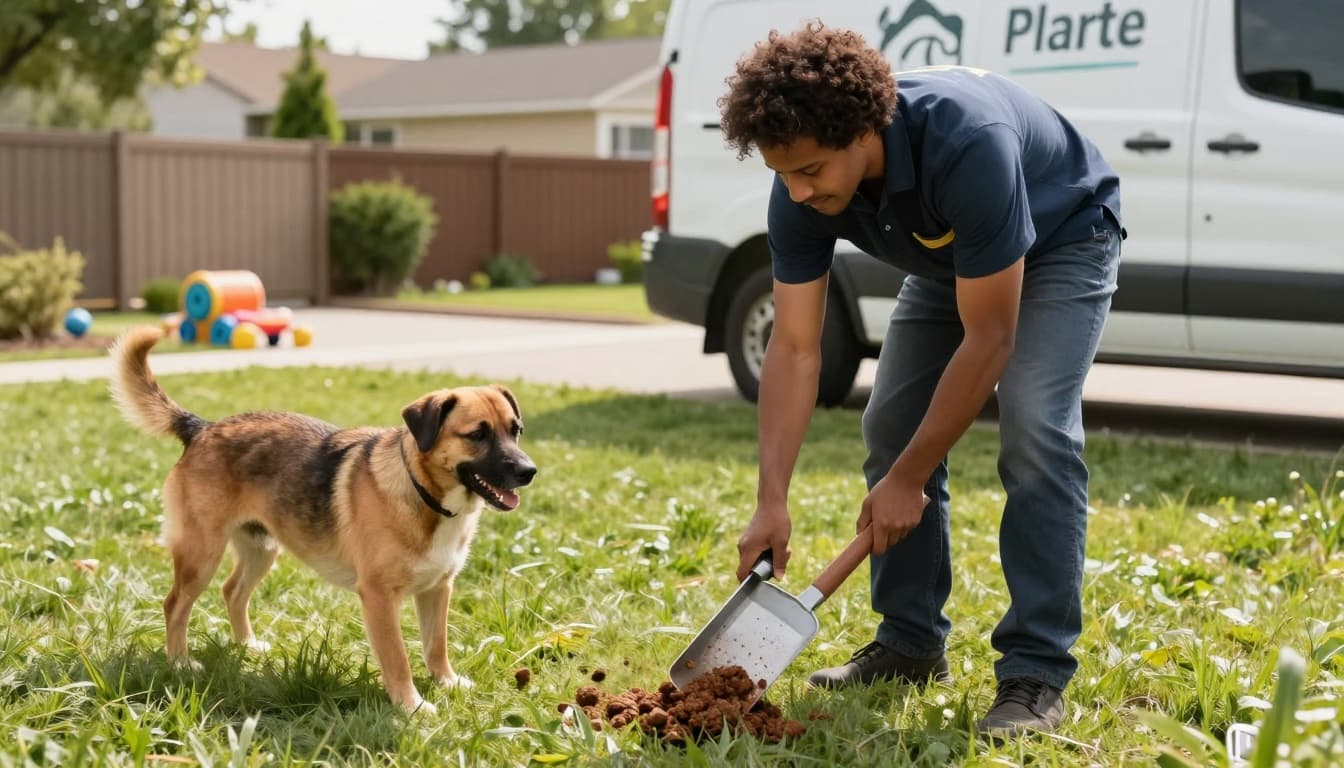 Route-based pet services can stack quickly in one area, image created with AI.
Which one fits you best? A simple pick-your-path guide
If you want low money and quick start, handyman micro-jobs or poop scooping is hard to beat.
If you want remote and scalable, the cleaning referral model is the cleanest fit.
If you like tech but not deep IT, smart home setup is perfect. If you don’t mind driving and you want premium pricing, mobile repair can work. If you’re fine with physical work and want bigger tickets, softwashing and solar are strong.
Match the business to your tolerance: ladders, pets, driving, heat, customer calls, all of it.
Starter path: get to your first $1,000 month without burning out
Pick one offer. One. Not two.
Set a simple price, build a basic page, then get five reviews fast. After that, raise prices a bit. Most people fail because they keep changing the offer every week.
Scale path: how these turn into real companies
Scaling usually comes from:
- Routes (pets, solar, cleaning)
- Retainers (smart home support)
- Subcontractors (handyman, cleaning coordination)
- Bundles (softwash plus gutters or windows)
- Systems (booking links, reminders, checklists, photo updates)
What I learned watching service businesses grow (and what I would do if I started today)
The biggest lesson surprised me: speed beats polish. The operator who replies in five minutes and gives a clear price often wins, even if their logo is boring. People are tired of being treated like a ticket number. They want a human who shows up.
Reviews are everything. Not “eventually,” right now. Five solid reviews can change your week.
Also, tiny upsells add real profit. A handyman adds a smoke detector install, a cleaner adds fridge interior, a softwash job adds gutter brightening. It’s not pushy if it’s useful.
If I started again, my first 30 days would look like this: pick one service, pre-sell it to 10 people, do the first jobs myself or with one contractor, collect photo proof, lock in five reviews, then only then spend on ads. I’d also borrow a page from this idea of building in a dinosaur market, meaning I’d go where competitors move slow and customers are already frustrated.
Conclusion
2026 is shaping up to reward Service Businesses that are simple, fast, and consistent, especially in local markets where competition looks crowded but service quality is all over the place. Pick one idea, validate demand quickly, and start small enough that you actually start.
Next step: today, choose one service and call 10 potential customers or providers to confirm pricing and demand. For visuals in the full post, place images near the start (local service work), mid-article (smart home setup), later (softwashing or solar), and near the end (mobile pet service) to match the flow.