

Startup StoryAirbnb BusinessReal EstatePassive IncomeBusiness Ideas 2026
From a crane accident and foreclosure notices to 47 units across three states — here's the real playbook behind one of the most documented short-term rental comebacks.
| 47Peak Units Managed | $130KPeak Monthly Revenue | 40%Profit Margins | 3 StatesPortfolio Spread | 20 minDaily Workload Now |
📋 Table of Contents
- From a Near-Death Accident to a First $1,000 Profit Month
- Scaling Without Buying: Airbnb Arbitrage
- Co-Hosting vs Fractional Hosting: The Scalability Shift
- How to Start Fractional Hosting (Even With No Experience)
- The 3P Framework: Pricing, Positioning, Performance
- Getting More Bookings: Photos, Pricing, and Tools
- How He Runs It in 20 Minutes a Day
- Guest Screening and the Weird Stuff That Happens
- The Crash: Overleverage, Expansion, and a Hard Year Back
- Where He's Headed Next
- What I Learned From This Story
- FAQ

Making $100,000 a month usually sounds like a full-time grind, a big team, and a long resume. Quentin West's path looked different. He scaled an Airbnb business to 47 units across three states, hit roughly 40% profit margins, and later rebuilt after a brutal crash — all while designing the operation so it doesn't eat his whole life.
What makes this a useful startup story is that it's not just "Airbnb money." It's the nuts and bolts: how he started when foreclosure notices showed up, how he used arbitrage and then shifted to co-hosting and fractional hosting, what systems kept reviews consistent, and what mistakes nearly wiped him out. If you're hunting for a real-world business idea, there's a lot here to steal — and a few landmines to avoid.
From a Near-Death Accident to a First $1,000 Profit Month
Quentin didn't enter short-term rentals because it looked trendy. He stumbled into it because he had to. He was working construction and chasing a heavy equipment operator license when a crane accident changed his whole frame of mind. He described swinging a crane into a power line and feeling electricity run through his body — the kind of moment that makes you think, "Okay… I'm not doing this forever."
So he started stacking learning time. Podcasts. Real estate license plans. A safer future. Then reality hit hard: a house he'd bought right before quitting his job started getting foreclosure notices. He didn't have extra cash, or perfect credit, or some clean rental strategy ready to go. He just needed the bills covered.
A friend mentioned putting a house on Airbnb. Quentin tried it, moved back in with his parents (not exactly the glamorous "freedom" version), and put his own place up as a short-term rental.
⚡ Early Results
- Month 1: $1,000 profit
- Month 2: $1,500 profit
- Month 3: The pivot clicked
He basically realized: "If I can get two or three more of these, I never have to work again." At his peak, he was running 47 units and bringing in $130,000 to $140,000 per month, with about 40% margins. The flip side: he was also paying around $70,000 a month in rent. That number can feel fine in busy months. In slow months, it can mess with your sleep.
Scaling Without Buying: Airbnb Arbitrage and "Creative" Access to Properties
A lot of people assume you need to own real estate to build a short-term rental portfolio. Quentin's approach leaned heavily on getting into properties "creatively" — especially early on. One big method: Airbnb arbitrage. That's where you rent a property long-term, get the owner's permission to sublease it short-term, furnish it, run it like a hospitality business, and keep the spread after expenses. This Airbnb rental arbitrage guide lays out how the model works when buying is out of reach.
| Item | Amount |
|---|---|
| Rent paid to owner (both units) | $2,300/month |
| Target gross revenue | $5,000–$6,000/month |
| Target profit per unit | $1,000–$1,500/month |
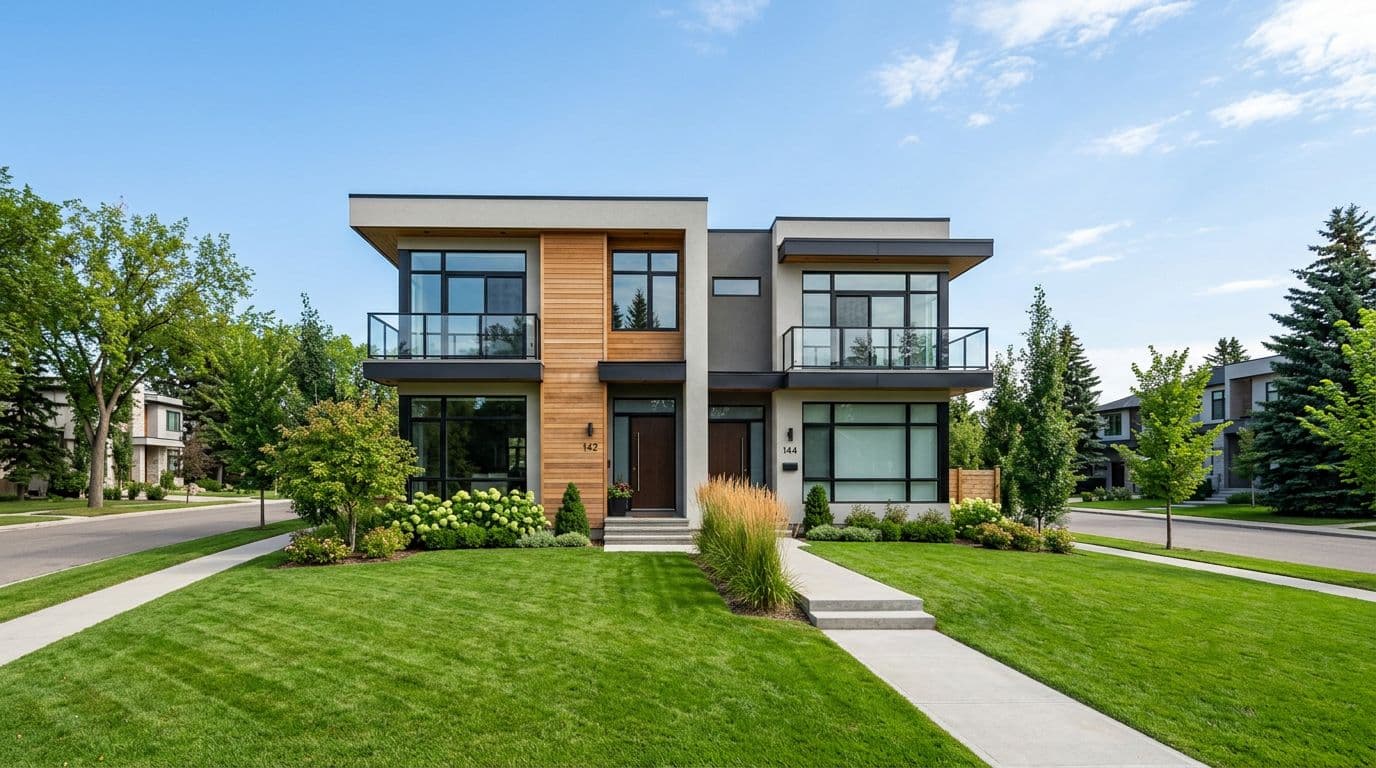
An example of the kind of two-unit setup that can work well for rental arbitrage.
To move fast early, he built business credit through credit stacking — getting to around $60,000 of available credit to launch and furnish units.
⚠️ Warning
When your fixed rent obligations get huge, seasonality becomes personal. This echoes the cautionary side of WeWork's rise from $47B valuation to bankruptcy, where big commitments became a trap once the numbers slipped.
Co-Hosting vs Fractional Hosting: How He Made It More Scalable
Quentin didn't stop at arbitrage. Over time, he leaned into models that require less capital and less on-the-ground chaos.
Airbnb Arbitrage (High Control, Higher Obligation)
With arbitrage, you control the guest experience end-to-end. You furnish, set pricing, manage cleaning, solve problems — and carry fixed monthly rent whether bookings show up or not. For more context on managing these risks, this Airbnb arbitrage safety guide is a solid reference.
Co-Hosting (Start With No Property)
Co-hosting changes the deal. You don't lease the property — you help an owner who already has a place listed. You handle guest messages, pricing, listing updates, cleaning coordination, and maintenance. In exchange, you earn 20% to 30% of revenue. This Airbnb co-host fee guide breaks down common ranges.
Fractional Hosting (Platform-Only, Most Scalable)
Fractional hosting narrowed the scope: Quentin's team handles only the platform work (pricing, messaging, marketing), while the owner handles cleaning and maintenance. He never has to step foot in the property. Within four months it hit $10,000/month in profit. Later, the fractional hosting side reached $30,000/month. See: Fractional Hosting: A Smarter Way to Airbnb.
| Model | What You Manage | Typical Cut | Biggest Risk |
|---|---|---|---|
| Arbitrage | Everything + lease | You keep the spread | Fixed rent obligations |
| Co-Hosting | All operations | 20%–30% | Service quality & local ops |
| Fractional Hosting | Platform only | 12%–15% | Pricing & conversion performance |
A Step-by-Step Way to Start Fractional Hosting (Even With No Experience)
Quentin's starting point was blunt: find hosts who are already doing a bad job. Go on Airbnb, scroll deep into the pages where listings tend to be weaker, then identify properties that look underpriced, poorly presented, or just ignored.
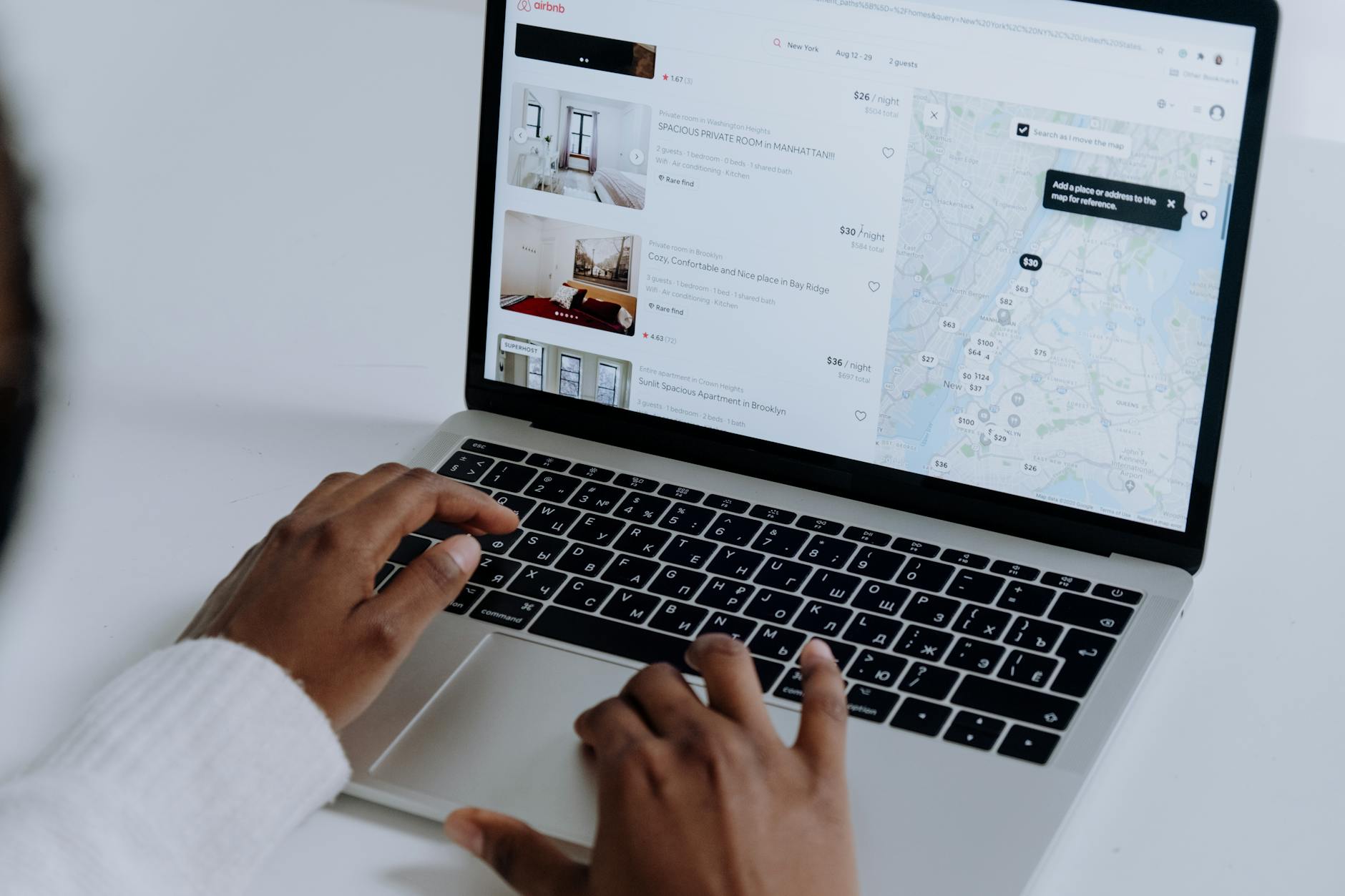
Photo by cottonbro studio via Pexels
- Find underperforming listings — go toward the "last pages" where top performers aren't concentrated.
- Identify the address using Google Lens — right-click an image in Chrome to find the property on Zillow or Realtor.com.
- Find the owner's contact info — use tools like BeenVerified or skip tracing to locate a phone number.
- Pitch fractional hosting as a performance upgrade — "You're underperforming. I can raise bookings and revenue. My fee comes out of the new upside."
The reason this works is psychological as much as tactical. If someone's already underperforming, the pain is obvious — and it's easier to start a conversation. This step-by-step co-hosting guide explains how roles usually get set up.
The "3P Framework" He Uses to Lift Results
He organizes optimization around three levers:
| "P" | What It Means | What You Actually Change |
|---|---|---|
| Pricing | Nightly rates that match demand | Weekday vs weekend, seasonal shifts, event spikes |
| Positioning | How the listing sells the stay | Photos order, title, description, amenity framing |
| Performance | Better conversion signals | Higher conversion rate, better guest experience systems |
"If you fix presentation and pricing together, you raise perceived value — and bookings tend to follow."
— Quentin West
He also pushed back on Airbnb's "smart pricing" tool — arguing it often drops rates too low just to fill the calendar, which can make you look booked and still leave money on the table.
Getting More Bookings: Photos, Perceived Value, and Pricing Discipline
Quentin's booking advice wasn't complicated, which is probably why it works. He called the first five images a "highlight reel." The goal is to show five totally different angles and benefits, fast — because attention spans are short. After that, he aims for the best angle of each room before repeating anything. It's storytelling with images.
For pricing, he looks for comparable properties matching quality, size, and amenities — but stressed one detail people miss: model top performers, not average ones. Copy average comps and you'll get average results. He uses:
- Hospitable — property management system to keep messaging and calendars in one place
- Beyond Pricing — dynamic pricing software that adjusts rates with demand

Dynamic pricing tools can adjust nightly rates with demand signals.
He watches two metrics most closely: Views and Conversion rate. When the platform sees that traffic books, it sends more traffic. The flywheel spins.
How He Runs It in 20 Minutes a Day: SOPs, VAs, and an Email List Trick
The "20 minutes a day" claim sounds like internet hype until you hear what he outsourced. He now has three full-time virtual assistants in the Philippines who handle most day-to-day work. He only jumps in for bigger repair quotes or when the team needs a decision.

Many short-term rental operators shift to virtual help once SOPs are clear.
The backbone is systems. The first SOP he locked down was cleaning — because dirty properties create refunds, cancellations, and bad reviews fast. His cleaners use checklists, then send photos to his team as proof of condition before and after every stay.
His leadership style changed too. He started out controlling and OCD, then realized he was capping the business by trying to do everything himself. Once he outsourced, his workload dropped from 5:00 a.m.–7:00 p.m. days to about 20 minutes on the portfolio.
💡 The Wi-Fi Email Trick
He uses StayFi — a Wi-Fi portal where guests enter an email to get online. That built a list of ~6,000 people. A 12-month drip campaign brings guests back through direct booking, bypassing Airbnb's platform fees. He estimated a 3%–5% return rate — not massive, but meaningful.
Guest Screening and the Weird Stuff That Happens in Real Houses
Short-term rentals come with stories. The biggest single-day payment: a $40,000 wire from a movie production company that booked across two houses for three months. On the painful side: a Halloween party caused ~$3,000 in damage, a guest fell through an attic ceiling playing drunk hide-and-seek, and one guest threatened bad reviews after demanding propane refills late at night.
To reduce risk, he screens guests by checking prior reviews, confirming who is coming and why, making sure they understand house rules, and setting Airbnb filters to restrict bookings from guests without a solid review history.
The Crash: Overleverage, Out-of-State Expansion, and a Hard Year Back
This is the part that makes the story believable. Quentin admitted he pushed growth too hard, took on too much debt, and didn't track profitability per unit closely enough. Then he launched 11 out-of-state units at once (seven in Arizona, four in Texas), burning through reserves in the process.
He was flying between states trying to build teams and fix booking issues, while the home market slipped. Cleanings got worse. Listings got taken down. Revenue dropped fast. The swing was brutal: from $130,000–$150,000/month to borrowing quarters from his kids' piggy bank within about five months.
📌 Lessons He Spelled Out
- Know profit per unit — not just total revenue
- Don't grow so fast your quality breaks
- Don't overuse credit — stay under 30% utilization
Recovery took a year to a year and a half. He operated across multiple banks, did side hustles, flipped houses with cash partners, and eventually got back to $90,000–$110,000/month. This ties into the bigger theme in Elise AI's housing tech empire, where early-stage intensity shapes the operator you become.
Where He's Headed Next: Hotels, Slower Scaling, and Better Time Use
As his goals changed, so did his strategy. Early on, he was chasing cash flow. Later, he started thinking about tax benefits and appreciation — moving into commercial real estate and hotels, applying short-term rental knowledge at a bigger scale.
One piece of advice that felt like it came from bruises, not motivational posters: sometimes it's better to go slow to go fast. If he had to restart with no money, he didn't hesitate: fractional hosting — close to 80%–85% margins, scalable globally because the work is remote.
His book recommendation: Buy Back Your Time by Dan Martell — core idea: stop doing everything yourself forever.
What I Learned From This Story (And What I'd Take Seriously)
A lot of people hear "Airbnb" and only think about the upside. The part that stuck was the weight of fixed obligations — $70,000 in rent due every month is basically a treadmill that never turns off.
🔑 Systems beat hustle once you're past the first few steps. The cleaning checklist, the before/after photos, the VAs with decision power — that's the boring stuff that makes "20 minutes a day" possible.
🔑 Optimization is a foundation, not magic. Pricing, positioning, performance. Most businesses don't fail because of one big thing. They fail because 20 small things stay sloppy.
🔑 The crash was tuition. Overexpansion, unclear unit profitability, debt pressure — it's not an Airbnb problem, it's a business problem. Same pattern across startup stories in different outfits.
🔑 "More units" eventually gives way to "better strategy." Cash flow gets you options, then you start aiming for long-term assets. A business idea can be a phase, not a forever identity.
Conclusion: The Business Idea Isn't "Airbnb" — It's Operations
Quentin West's startup story isn't really about short-term rentals. It's about building a repeatable operation, then tightening it until it runs without you. He proved you can start from a scary place, grow fast, get humbled, and still come back stronger if you fix the systems and learn your numbers.
If you're looking for a business idea you can run remotely, fractional hosting is the clearest thread in his playbook. Just don't skip the hard parts: guest experience, listing conversion, and basic financial discipline. Go slower to go faster — and you'll be way harder to knock off course.
Frequently Asked Questions
📚 More Startup Stories You'll Like
Published on thestartupstorys.com | Startup Stories | Airbnb Business, Real Estate, Passive Income