


Every creator I talk to has the same quiet fear: “Is it saturated?” It’s a fair worry. Scroll for five minutes and it looks like everyone sells candles, edits videos, designs logos, or runs a shop.
But competition usually means something simpler: people are already buying. Demand exists, money changes hands, and the real question becomes, “How do I make my version the obvious pick?”
In 2026, the edge isn’t shouting louder, posting more, or chasing whatever went viral last week. It’s going specific (a niche within a niche), building a small moat (taste, process, relationships), and putting quality above hype. That’s how you build creative business ideas that pay, even with a small audience.
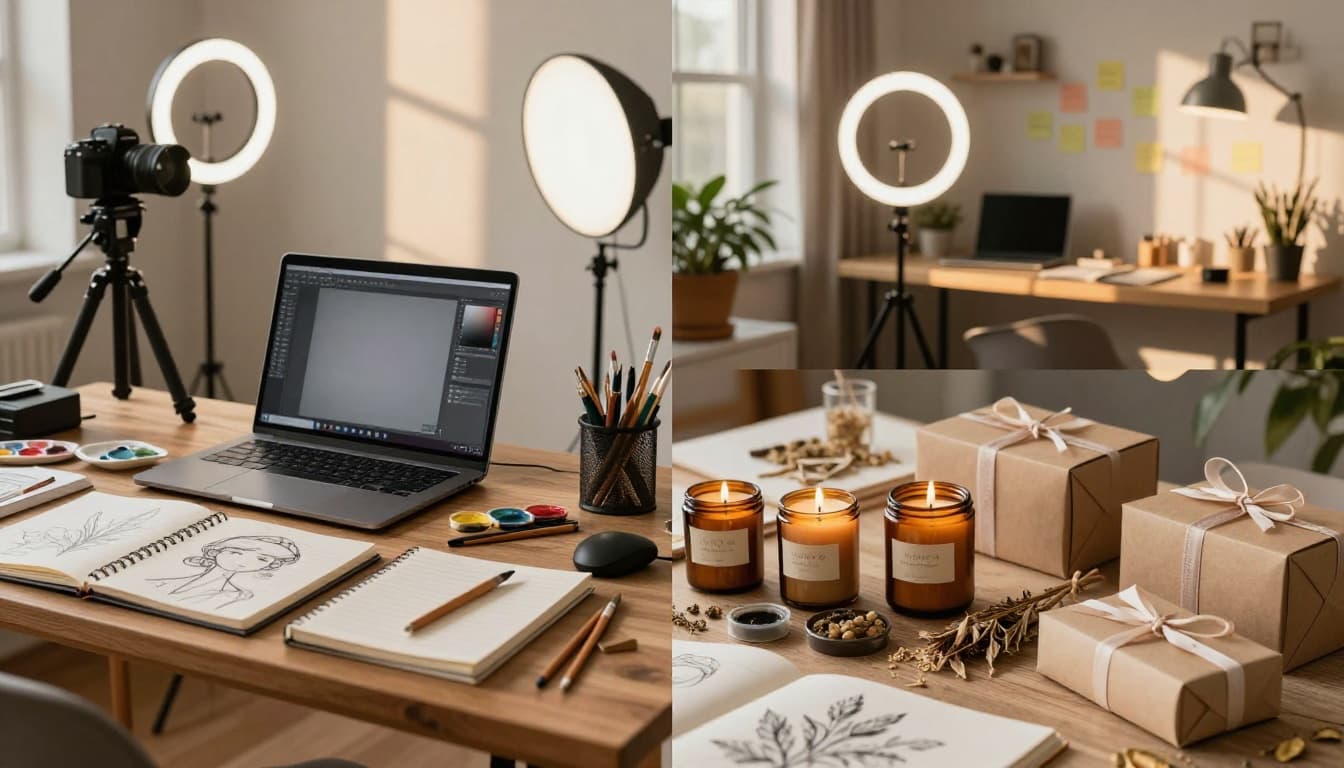
Creative workspaces and products side-by-side, the real “behind the scenes” of a creative business (created with AI).
The 3 filters I used to pick profitable creative businesses for 2026
A “good idea” in 2026 isn’t the one that gets likes. It’s the one that survives copycats, platform changes, and AI-made sameness.
So before the list, here are the three filters I used. You can steal them and build your own list later.
Pick a real problem people will happily pay to solve
A “problem” doesn’t have to be dramatic. It can be something that makes life easier, faster, calmer, more personal, or less confusing.
Think about the stuff that quietly eats mental space. Busy pet owners who hate running out of treats. People who struggle to unwind at night. Small shops that need product photos but don’t have the time (or the eye) to do it.
When the problem is real, you don’t need to convince people with fancy words. They already want the solution. It’s like selling an umbrella when it starts raining, not on a sunny day.
If you want broader context on what’s trending across small businesses this year, skimming lists like Entrepreneur’s 2026 small business ideas can help you spot demand patterns, even if you don’t copy the ideas directly.
Build a moat that is hard to copy (even when AI is everywhere)
A moat is just “the thing that makes you tough to replace.”
In creative work, moats are often human things: taste, style, trust, responsiveness, your process, the way you handle revisions, the way your product feels when it arrives. AI can generate a logo, but it can’t build a relationship with a buyer who now trusts your standards.
One practical move in 2026 is building a home base you control, a simple site, a small email list, a clear portfolio. Platforms are great for discovery, but they change rules fast. A home base is like owning the land under your shop, not renting it month-to-month.
This is also why some creators are choosing clearer domain endings (not just .com). The point is not the extension, it’s the signal: “This is real, you can buy here, and I’ll be here next year too.”
Go narrow so you can charge more and sell less
Broad offers force you to win with scale. You need lots of views, lots of traffic, lots of “maybe” people.
Specific offers need alignment. Fewer people, but the right people.
“Candles for cozy vibes” is okay, but it’s still foggy. “Candles for people who can’t relax at night and want a calming, screen-free routine” is sharper. Now your product is not just wax and scent, it’s an outcome.
And here’s the sneaky part: being specific makes everything easier. Your messaging gets cleaner. Pricing gets simpler. Referrals happen more naturally because customers know exactly who to send to you.
The 5 most profitable creative businesses to start in 2026 (and why they work)
These are options I’d actually start, or seriously consider, right now. Each one works without needing a massive audience, as long as you’re willing to be specific and keep your quality bar high.
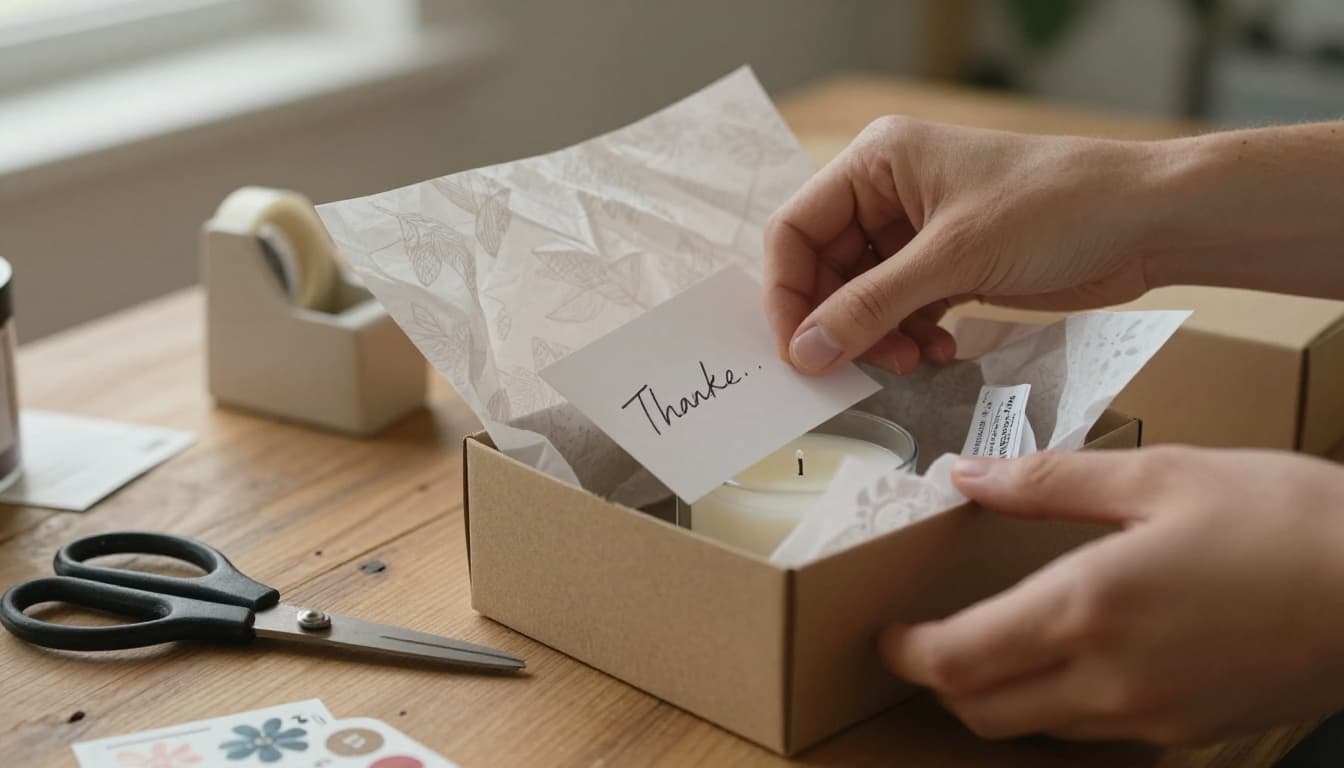
The details people remember, packaging, care, and a real “I see you” moment (created with AI).
Recurring value products that people reorder without thinking
Who it’s for: makers who like physical products and can keep quality consistent
What you sell: items people naturally need again, candles, tea, treats, specialty snacks, self-care refills
Why it’s profitable in 2026: repeat buying changes the math, you stop starting from zero each month
One-time sales are tiring. Recurring products give you momentum. When a customer likes what you made and buys again, you just bought yourself time. Less “launch panic,” more steady income.
You don’t need bargain pricing here. In fact, cheap pricing can trap you. Better ingredients, better jars, better packaging, and reliable shipping cost money. Your price should support the business, not punish it.
A simple system helps a lot: reorder reminders, a “subscribe and save” option, or even a small loyalty perk. Nothing fancy. Just consistent.
A “niche within a niche” example: not “dog treats,” but “single-ingredient dog treats for sensitive-stomach rescue dogs.” Suddenly your buyer knows you made it for their life, not for everyone.
Personalized products with an emotional reason to buy
Who it’s for: artists and makers who love detail and don’t mind careful back-and-forth
What you sell: custom prints, engraved items, pet portraits, milestone gifts, memory-based products
Why it’s profitable in 2026: personalization raises perceived value and reduces price comparison
When something is customized, shoppers stop comparing you to a random listing. They’re buying meaning. A birthday. A wedding. A new baby. A pet they miss. That emotional layer is hard to compete with.
The catch is quality. Personalization can’t rescue a flimsy base product. If you’re printing, print on something that lasts. If you’re engraving, use materials that feel good in the hand. Then finish strong: proofing, clear timelines, careful packaging, and communication that doesn’t feel robotic.
Your moat here is your taste and process. Someone can copy “custom mug,” sure. They can’t copy how you guide customers to the right option, how you handle revisions, and how thoughtful the final piece feels.
High skill creative services with a tight niche (freelancing that is not a commodity)
Who it’s for: people with a real skill (editing, design, photo, writing) who want cash flow fast
What you sell: a clear service outcome for a clear buyer
Why it’s profitable in 2026: business owners need reliable help more than ever, and good providers are still rare
Saying “I’m a video editor” pushes you into price comparisons. You become a commodity, and it’s not fun.
Saying “I edit short educational videos for female creators who sell digital products” is different. It’s specific enough that the right clients feel like you’re reading their mind. Same skill, better positioning.
Examples that tend to sell well:
- Product photos for handmade sellers who shoot at home (simple, natural-light style)
- Short-form edits for educators who need clarity more than flashy effects
- Brand design for local clinics that want to look calm and trustworthy
One underrated advantage: referrals. One great client can turn into three more without you begging for attention. That’s the quiet flywheel.
Teaching your craft in small, paid formats people finish
Who it’s for: creators who can explain clearly and enjoy helping people
What you sell: a simple learning outcome, not a huge course nobody completes
Why it’s profitable in 2026: people pay to skip confusion, avoid mistakes, and feel supported
Teaching isn’t passive. It’s work. But it can pay well because it saves people time and emotional energy.
You also don’t need to be the best in the world. You just need to be a few steps ahead, and good at explaining those steps. Being skilled and being a good teacher are different jobs.
What works best in 2026 are smaller formats people actually finish: a 60-minute workshop, a 7-day guided challenge, a 1:1 setup session, a tight PDF guide with examples. Start small, get feedback, improve.
For readers exploring wider categories, Business News Daily’s 2026 business ideas can be useful, but don’t get stuck browsing lists. The win is picking one lane and shipping a simple first version.
Print on demand that looks like a real brand, not a template store
Who it’s for: designers and illustrators who want low inventory risk
What you sell: apparel, art prints, home goods, but with a clear concept and audience
Why it’s profitable in 2026: POD is only “saturated” at the low-effort layer, the branded layer still has space
Print on demand fails when it’s lazy. Trendy quotes, identical mockups, random designs for everyone. That version is crowded and it feels like it.
POD can work when you treat it like a creative business first, and POD is just how you produce and ship.
That means: a specific audience, real branding, better blanks (shirts that actually fit well), your own photos and short videos, and product pages that feel intentional. Show the item in real life. Let people see texture, size, and vibe. The goal is trust.
A quick validation step that doesn’t require a huge following: do 10 short customer chats, aim for 20 email signups, or run a tiny pre-order for one design. If nobody wants it when it’s clear and simple, adjust fast.
If you want a mindset check on avoiding hype in e-commerce models, this internal walkthrough on starting dropshipping with AI without getting lost is worth reading, even if you’re not dropshipping. The principle is the same: tools don’t save a weak offer.
How to choose the best idea for you in a weekend (without waiting for a big audience)
You don’t need months of planning. You need one clear direction and a small test you can run with care.
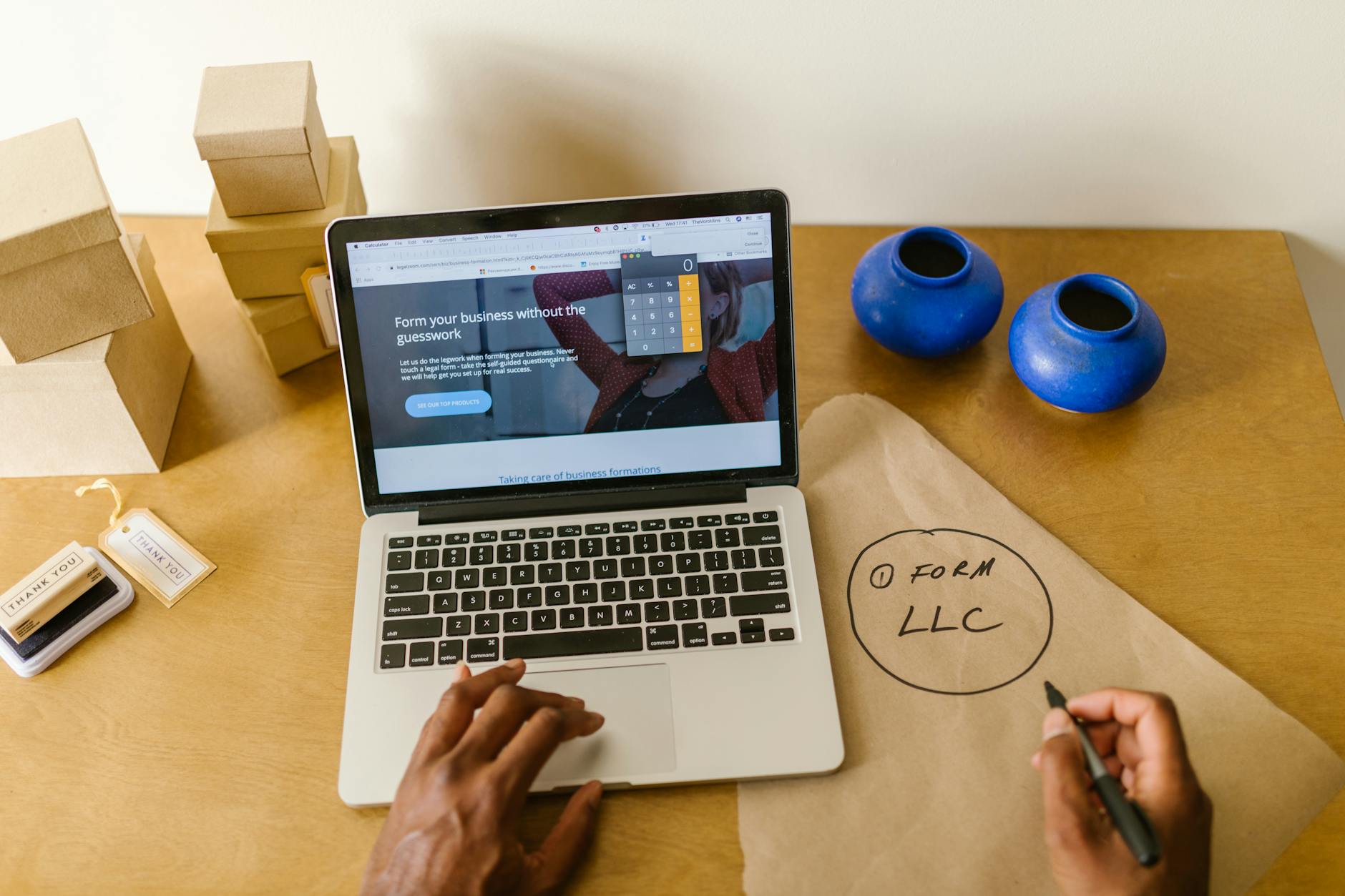
Photo by RDNE Stock project
Ask “who is this for?” until the answer is painfully specific
Here’s a quick exercise I use when my idea feels vague.
Write one sentence that includes:
- the person, 2) their situation, 3) the outcome they want.
Example: “I make candles for people with anxiety who want a calming, screen-free night routine.”
Example: “I edit TikTok-style product videos for handmade jewelry brands that need consistent weekly content.”
When you get this right, marketing feels lighter. You stop trying to impress strangers and start talking to one type of person.
If you need a broader scan of what’s working across industries, Wolters Kluwer’s small business ideas for 2026 can help you see where spending is going. Just don’t copy the crowd, use it to spot needs.
Validate fast, then improve quality based on real feedback
“Launch before perfect” is good advice, but only half the advice. The full version is: launch before perfect, don’t launch careless.
Pick one of these light tests:
- A one-page landing page with a waitlist
- A small batch (10 units, not 500)
- One paid trial client for your service
- A workshop pilot with 5 seats
Then listen. What did people ask? What confused them? What did they love enough to mention twice? That feedback shapes your next version, and it’s how quality gets real, not imagined.
What I learned the hard way about making creative income in 2026
I used to stay broad because it felt safer. “I can do design, video, writing, all of it.” Sounds flexible, right? In real life it made sales harder. People didn’t know what to hire me for, and I kept getting pushed into price talk. Not fun.
My small mistake (and it’s kind of embarrassing) was assuming more followers would fix it. I’d tell myself, “Once I hit 10k, it’ll click.” It didn’t. The work got more visible, but the offer was still fuzzy.
What changed things was going specific and raising my standards a bit. I narrowed to one kind of client, one kind of output, and I got serious about finishing touches. Better onboarding. Cleaner delivery. Faster replies. It wasn’t flashy. But suddenly I wasn’t chasing people, they were referring me.
Also, one good customer really can beat 1,000 followers. A happy buyer comes back. They tell a friend. They trust you with the next thing. That’s the whole engine, honestly.
And in a year where AI can produce “okay” work in seconds, “okay” is cheap. Quality is what gets remembered.
Conclusion
The most profitable creative business ideas in 2026 don’t come from chasing hype. They come from specificity, a real problem, and a moat built on quality and process. Pick one of the five models, define a tight “who,” and run a small test this week. Write your one-sentence niche statement and commit to it for 30 days. If you want, comment with the one you’re trying, and the exact person it’s for, make it sharp.